
Why Do Good Things Never Happen to Me?
If you keep asking why do good things never happen to me, the feeling usually comes from accumulated disappointment, stress, and a pattern of expecting loss before life has even finished unfolding. In many cases, the real issue is not that nothing good ever happens. It is that hurt, fatigue, and comparison have changed what you notice, trust, and believe you are allowed to receive.
Quick Answer
Why do good things never happen to me usually does not mean life has literally singled you out for permanent disappointment. More often, it means repeated setbacks, emotional exhaustion, and selective attention have built a story that makes loss feel bigger than possibility. The pattern often changes when you stop reading every delay as proof against you and start repairing the stress, self-trust, and habits that keep reinforcing that story.
At a Glance
- Core Pattern This question usually points to repeated friction, disappointment, and a growing expectation of loss rather than to permanent failure.
- What It Often Means The deeper issue is often a broader luck block, low momentum, and a habit of reading delay as proof that life has stopped opening for you.
- Best Next Step If the pattern feels broad and luck-related, start with bracelet for luck. If it feels more emotionally drained than unlucky, use bracelet for healing.
In This Guide
- Why this feeling starts to feel personal
- What usually creates the belief that good things never happen
- How this pattern shows up in everyday life
- When this is more emotional exhaustion than bad luck
- What starts changing the story
- Why the Lucky Charm Bracelet fits this phase
- Lucky vs healing: which path fits better
- How to choose the next bracelet without overcomplicating it
- FAQ
Why This Feeling Starts to Feel Personal
When disappointment happens once, it feels frustrating. When it happens again and again, it starts feeling personal. That is the real emotional weight behind why do good things never happen to me.
After enough letdowns, the mind stops reading setbacks as separate events. It starts grouping them into a story. The missed chance, the delayed answer, the money pressure, the relationship disappointment, the moment you almost believed something was finally shifting and then it did not. Soon the pattern feels bigger than the facts. It feels like proof.
That is why this question hurts more than a simple luck question. It is not only about timing. It is about meaning. You are not just asking where the good things are. You are asking whether life still has any for you at all.
Sometimes this feeling is less about one dramatic disaster and more about repeated moments that seem to pass you by. Missed chances, delayed answers, and almost-breakthroughs can pile up until they start feeling like proof.
What Usually Creates the Belief That Good Things Never Happen
Repeated Disappointment Starts Acting Like Evidence
A few painful events begin to feel like a permanent life patternOnce loss repeats, the mind stops treating each setback as separate. It starts expecting the same ending before the next chapter has even formed.
Stress Shrinks What You Are Able to Notice
You see danger and delay faster than support or movementWhen your system is overworked, subtle progress stops feeling real. Small wins disappear, while every frustration lands with extra force.
You Are Comparing Your Private Pain to Other People鈥檚 Visible Wins
Their highlights start making your own life look emptier than it isComparison is one of the fastest ways to turn an already hard season into a personal verdict. It makes your own timeline look cursed when it may only be uneven.
You Keep Measuring Life by Dramatic Breakthroughs Only
Quiet improvement does not count, so it feels like nothing good is happeningMany people only count big wins. If the good thing is smaller, slower, or more internal, they dismiss it. That creates a harsh and inaccurate scorecard.
This is why people stop treating disappointment as a passing phase and start reading it as a bigger luck pattern. Once that happens, even neutral events can feel like more proof that life is not on your side.
How This Pattern Shows Up in Everyday Life
This mindset does not only live inside thoughts. It changes behavior. That is why it can quietly reproduce itself.
In real life, it often looks like expecting rejection early, talking yourself out of trying, downplaying good news the moment it arrives, and staying emotionally braced even when something neutral or hopeful appears. You may notice that compliments do not land, opportunities feel suspicious, and rest feels harder because part of you is always preparing for the next disappointment.
This is also why people in this state can feel confused when someone else says things are improving. Internally, the body still feels unsafe. Externally, even a small delay can confirm the old story again.
That is why this state can quietly recreate itself. Once you expect friction, you react differently to life, and those reactions can keep the same emotional pattern alive longer than it needs to be.
When This Is More Emotional Exhaustion Than Bad Luck
Sometimes the cleanest answer is not mystical at all. Sometimes you feel like no good things ever happen because you are emotionally overdrawn.
Stress can narrow attention and make setbacks feel louder than support. Emotions can also shape how events are interpreted in the first place. That is part of why a hard season can start looking absolute instead of temporary. Britannica's background on stress in psychology and biology and emotion supports that broader point: internal state changes what feels urgent, visible, and believable.
This does not mean your pain is imaginary. It means the emotional lens matters. If you are exhausted enough, even ordinary delay can start feeling like cosmic rejection.
That does not erase real setbacks. It simply explains why the whole season can start feeling harsher, more final, and more cursed than it actually is.
What Starts Changing the Story
The story usually starts changing before life looks dramatic from the outside.
It changes when you stop using absolute language about yourself. It changes when you begin counting quieter forms of improvement. It changes when you protect your attention from constant comparison, and when you stop feeding the people, habits, and environments that keep your nervous system expecting loss.
It also changes when you let good things be small at first. Better timing. A calmer reaction. One clean opportunity. One less desperate choice. One week that feels lighter than the last. Many readers miss these signs because they are waiting for one giant proof instead of noticing the gradual return of steadiness.
That is usually how momentum returns. Not all at once, but through a series of smaller signs that life is becoming less hostile and more responsive again.
Why the Lucky Charm Bracelet Fits This Phase Best
This question is usually bigger than one bad day. It is about repeated friction, lower confidence, and the feeling that life has stopped meeting you with ease.
That is why the Lucky Charm Bracelet is the strongest first fit here. It suits the state where disappointment has started to feel global rather than isolated, and where what you want most is a broader reset in timing, openness, and momentum. The point is not to promise instant miracles. The point is to give this phase a steadier symbolic anchor toward possibility instead of constant expectation of loss.
If you want the broader guide before choosing the product, start with bracelet for luck. If your issue turns out to be more about emotional exhaustion than life friction, healing may fit better. But for the exact feeling behind why do good things never happen to me, luck is usually the cleaner first route.
A Better Fit When Life Starts Feeling Unfair and Out of Sync
When this question comes from repeated setbacks, stalled timing, and the sense that nothing is flowing the way it should, the first need is often not a narrow fix. It is a broader shift in how you meet chance, confidence, and forward movement. A ritual object works best here when it helps you stop relating to life as if every next step is already doomed.
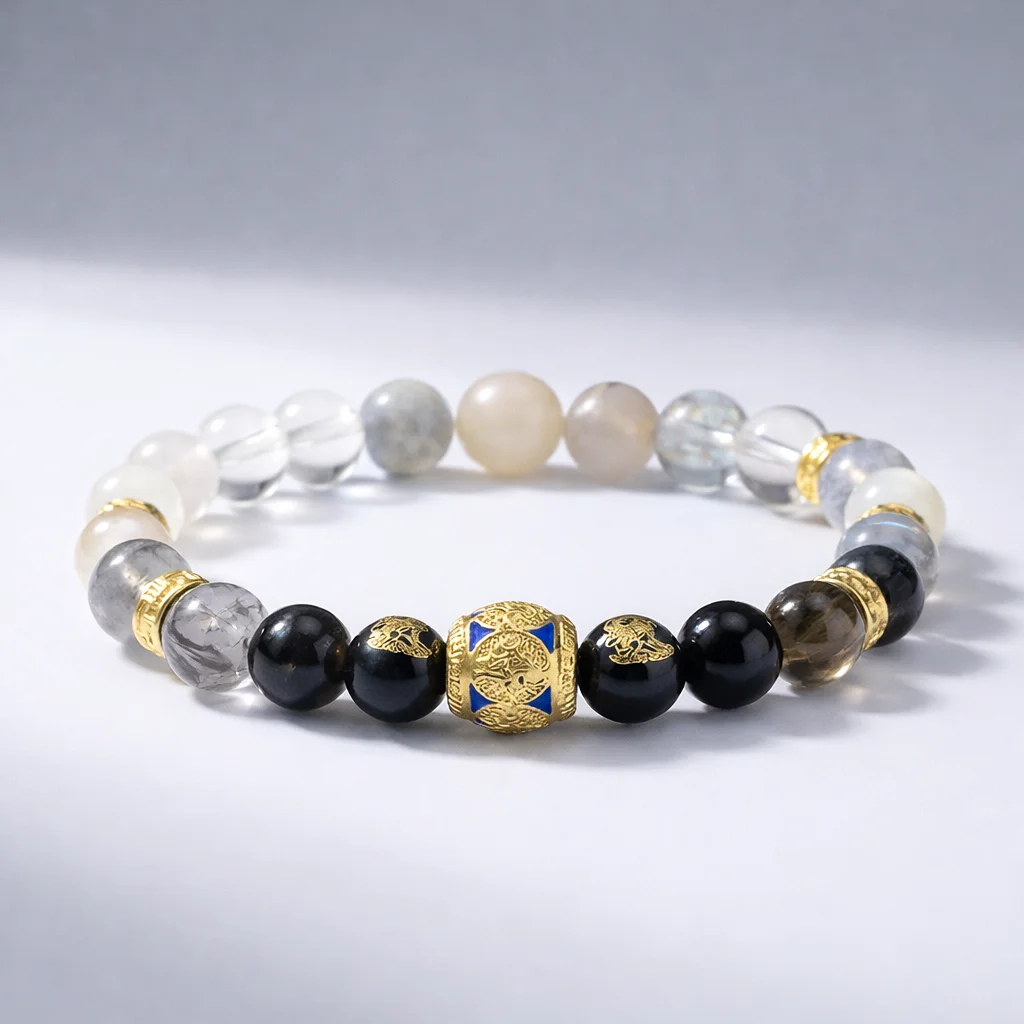
If this feels like bad timing, repeated friction, and the sense that life has stopped opening normally, the Lucky Charm Bracelet is the most natural place to start.
See the Lucky Charm Bracelet DetailsLucky vs Healing: Which Path Fits Better?
Not every reader asking this question is in the same state. For this page, the real split is usually between a broad luck problem and a deeper emotional exhaustion problem. If the pattern feels global, luck is the better first route. If it feels heavier and more inward, healing is the cleaner fit.
Lucky Charm Bracelet
Choose this if your problem feels broad and mixed: timing, repeated friction, low confidence, and the sense that life overall needs a steadier reset.
View the Lucky Charm Bracelet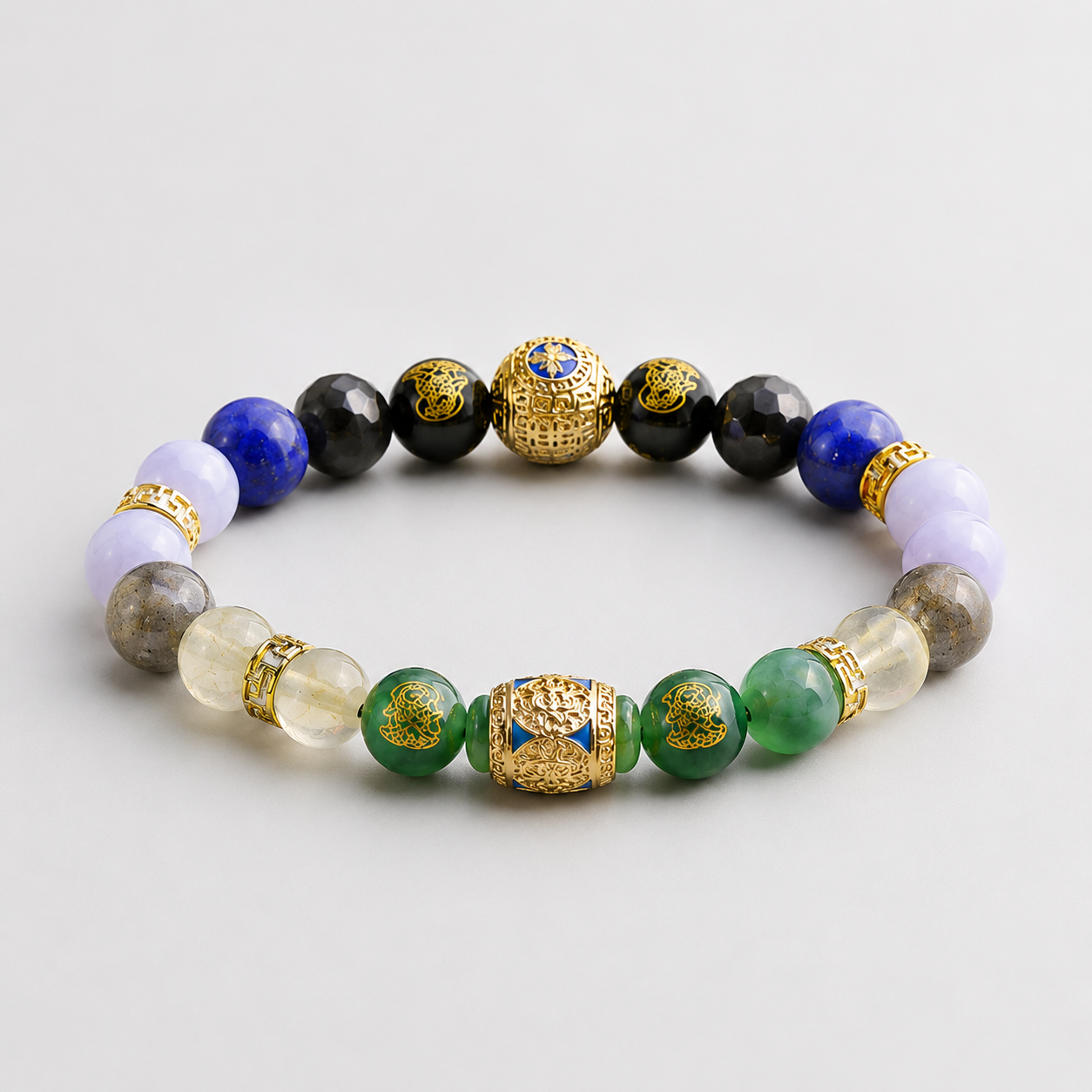
Healing Bracelet
Choose this if the real issue feels less like bad timing and more like emotional wear, discouragement, grief, or inner heaviness that has made everything look worse.
View the Healing BraceletHow to Choose the Next Bracelet Without Overcomplicating It
If you do not want to jump straight from a painful question into a product page, use the shorter decision route first. The goal is to match the bracelet to the state, not to force one label onto every hard season.
- If the pattern feels broad, repeated, and luck-related, start with bracelet for luck.
- If the weight feels more like emotional wear than bad timing, use bracelet for healing instead.
- If you are still unsure which route fits better, use which bracelet should I wear as the decision page before choosing a product.
Why Do Good Things Never Happen to Me FAQ
Usually no. In most cases, the feeling comes from repeated disappointment, stress, and a discouraged mental pattern rather than a permanent curse or fixed fate.
Because repeated disappointment leaves emotional evidence behind. Even if the conclusion is too absolute, the pain underneath it is still real, which is why the story can feel convincing.
Yes. Stress can narrow attention, reduce patience, and make setbacks feel louder than support. That does not erase real problems, but it can make the overall picture look harsher than it truly is.
Usually the first sign is not a giant breakthrough. It is less heaviness, cleaner timing, calmer reactions, and a growing ability to notice small support without instantly dismissing it.
Because this keyword usually points to a broader luck pattern rather than to one narrow emotional issue. Lucky Charm fits best when repeated friction, low momentum, and the feeling that life is out of sync are the main problem.
Further Reading & Symbolic Context
Astro & Charm uses astrology and symbolic objects as lifestyle guidance. For readers who want broader background on how stress, emotion, beliefs, and symbolic systems shape interpretation, these are useful starting points.
Britannica: Stress (psychology and biology) explains how prolonged stress affects perception, reactions, and overall functioning.
Britannica: Emotion is useful context for how feelings influence meaning, interpretation, and behavior.
Britannica: Attitude (psychology) helps frame how repeated beliefs and expectations can shape the way events are interpreted.
Britannica: Astrology provides general background on the symbolic tradition behind astrology-based guidance.