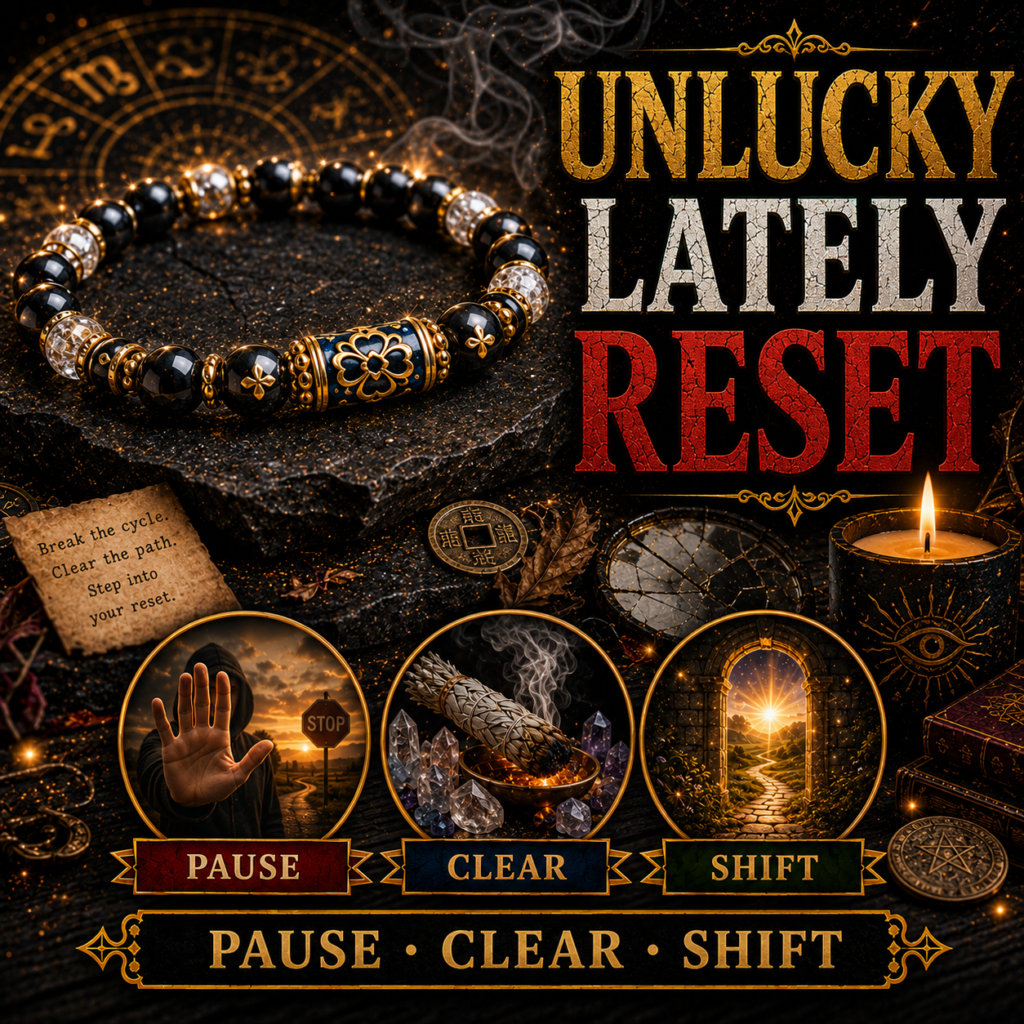
Why Do I Feel Unlucky Lately? The Real Reason Everything Feels Slightly Off
If you have been feeling unlucky lately, it usually means more than one small thing has started pressing on your system at the same time. What feels like bad luck is often a mix of recent stress, emotional overload, poor timing, and the way repeated disappointment changes how you read the next moment.
Quick Answer
Why do I feel unlucky lately usually comes down to recent stress changing your timing, attention, and emotional balance. After a few setbacks, your mind starts scanning for more proof that things are off, which makes ordinary problems feel heavier and better opportunities harder to trust. The answer is usually not that life suddenly turned against you. It is that your energy, boundaries, and reactions need a reset before luck can feel lighter again.
At a Glance
- What This Usually Means Feeling unlucky lately is often a recent systems issue, not a permanent fate issue. Stress, disappointment, poor pacing, and weak boundaries can make ordinary setbacks feel heavier than they really are.
- Why “Lately” Matters This keyword usually points to something recent: a hard week, a draining person, financial pressure, emotional overload, or a run of smaller frustrations that changed how you read the next moment.
- Best Next Step If the issue feels broad, start with bracelet for luck. If outside energy and weak boundaries are making things worse, use bracelet for protection. If the real issue is exhaustion, recovery, or emotional heaviness, read bracelet for healing.
In This Guide
Why Luck Can Feel Worse Lately Even If Nothing Huge Happened
This question usually appears after a run of smaller frustrations, not one dramatic event. A delay here. A wrong conversation there. Money pressure that feels tighter than usual. Mixed signals. Low energy. A sense that things are not fully falling apart, but they are also not flowing the way they used to.
That is why the feeling can be so confusing. If something major had happened, the explanation would feel obvious. But when luck feels off lately, the shift is often more subtle. Your emotional margin gets thinner. Your timing gets shakier. Your confidence drops a little. Then neutral setbacks start feeling like proof that your luck changed.
Most of the time, “lately” matters because the problem is recent enough to still be active. The system has not fully reset yet. You are still carrying the disappointment, stress, or exhaustion from the last few hits, and that burden starts shaping the next few decisions too.
If you want the broader symbolic contrast page for heavier timing, unluckiest zodiac signs ranking 2026 is the best related read because it keeps the topic inside the same evergreen luck cluster.
How Recent Stress Quietly Makes You Feel More Unlucky
Stress changes the texture of everyday life. It narrows your attention, lowers your patience, and makes your body expect trouble faster than your mind can explain why.
That matters because luck is not only about events. It is also about how well you can meet those events. When your system is already tired, even manageable problems feel heavier. You rush more. You overread small signs. You assume the next thing will also go wrong. That emotional posture makes “feeling unlucky lately” much more likely.
WHO's mental health overview and Harvard Health's stress guidance both support the same practical point: stress affects concentration, resilience, mood, and judgment long before people notice how much it is changing their daily experience.
What Usually Creates the Feeling That You Have Been Unlucky Lately
Several Small Frustrations Stack Together
Not one disaster, but no real breathing room eitherLuck feels worse when you do not have time to recover between setbacks. The accumulation is often the real problem.
Your Attention Starts Tracking Loss
You notice what goes wrong faster than what goes fineAfter a few disappointing moments, the brain starts scanning for more proof. That makes the whole week or month feel more cursed than it really is.
Your Boundaries and Energy Get Softer
More access for what drains youFeeling unlucky lately often means too much has access to your attention, emotions, or timing. That weakens how clearly you move.
If you want the Chinese zodiac angle on smoother and rougher timing, luckiest Chinese zodiac signs in 2026 and unluckiest Chinese zodiac signs in 2026 are the most relevant symbolic companion pages.
How to Tell If You Only Feel Unlucky or If You Are Actually in a Bad Cycle
Sometimes the feeling is temporary. Sometimes the feeling is a warning. The difference is repetition.
If you simply feel unlucky lately, the emotional fog may be real, but the situations themselves are still varied. If you are in a real bad cycle, the same kind of setback keeps repeating. Same kind of person. Same kind of delay. Same kind of emotional crash. Same kind of regret after.
That distinction matters because the response changes. A temporary unlucky feeling needs rest, emotional cleanup, and better pacing. A repeating bad cycle needs interruption. If you confuse the two, you either panic too much or wait too passively.
What to Reset First When You Have Been Feeling Unlucky Lately
The first reset is usually not dramatic. It is practical. You want to reduce what is making your system unreliable before trying to force bigger results.
- Reduce the biggest recent source of stress, even if that means disappointing someone or slowing down.
- Stop making important decisions while the emotional fog is still thick.
- Repair sleep, money pacing, and routine before expecting your timing to feel sharp.
- Pull back from the people and spaces that keep your energy noisy.
- Stop measuring the whole period by the last disappointing event.
Harvard Health's stress-management guidance fits here because the real shift usually starts with calming the system, reducing overload, and giving better decisions somewhere stable to come from.
Why the Lucky Charm Bracelet Helps in a “Lately” Phase
A temporary unlucky phase is exactly where ritual support makes the most sense. Not because a bracelet guarantees outcomes, but because recent stress makes people forget how to return to their own center.
The Lucky Charm Bracelet works here as a reset cue. Something physical you can touch before the anxious reply, the rushed decision, the fear-based purchase, or the overreaction that makes a hard week even harder.
That is why the bracelet fits this problem. Feeling unlucky lately is often a reaction problem as much as an event problem. If you can slow the reaction, you often change the result that would have followed it.
The Main Pick If You Need a General Luck Reset
Start here if the issue feels broad rather than specific. This is the strongest all-around bracelet in this article because it supports steadier timing, calmer follow-through, and a wider symbolic reset when life has been feeling off across multiple areas at once.
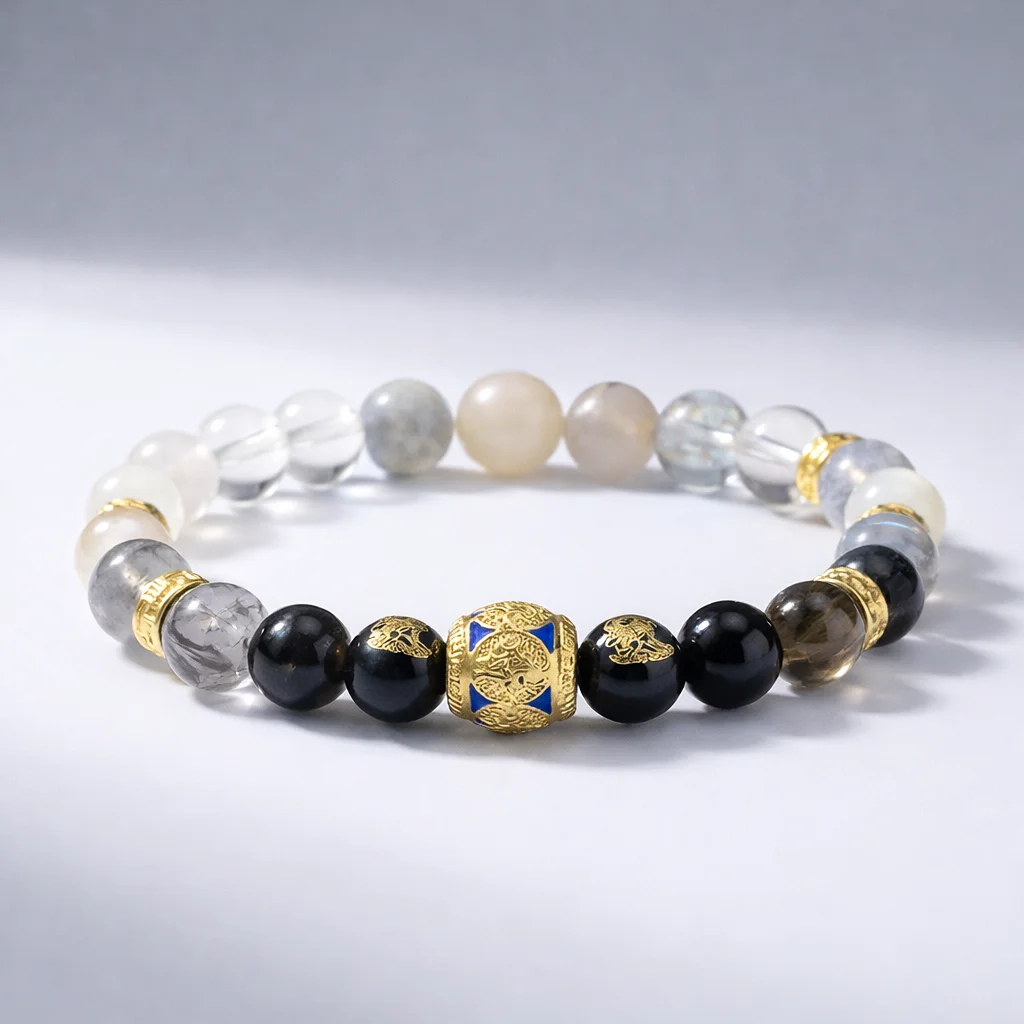
The goal is not to pretend life is simple. The goal is to carry one steady ritual object that helps you stop feeding the recent spiral and start moving from clearer energy again.
See the Main PickAll 5 Bracelet Options If Luck Is Not the Only Problem
The Lucky Charm Bracelet stays in the lead because this article is about the broad feeling of being unlucky lately. But sometimes that feeling is only the surface layer. Underneath it, the real issue is love pain, financial pressure, weak protection, or the need for healing.
Start with the all-around option if everything feels mixed. Choose one of the other four when the deeper issue underneath the recent unlucky feeling is more specific.
Lucky Charm Bracelet
Best when everything feels mixed. This is the main pick for broader luck reset, steadier timing, and cleaner follow-through.
View the Main Pick
Love Bracelet
Best when your unlucky feeling is really tied to heartbreak, emotional rejection, or a painful shift in connection.
View the Love Bracelet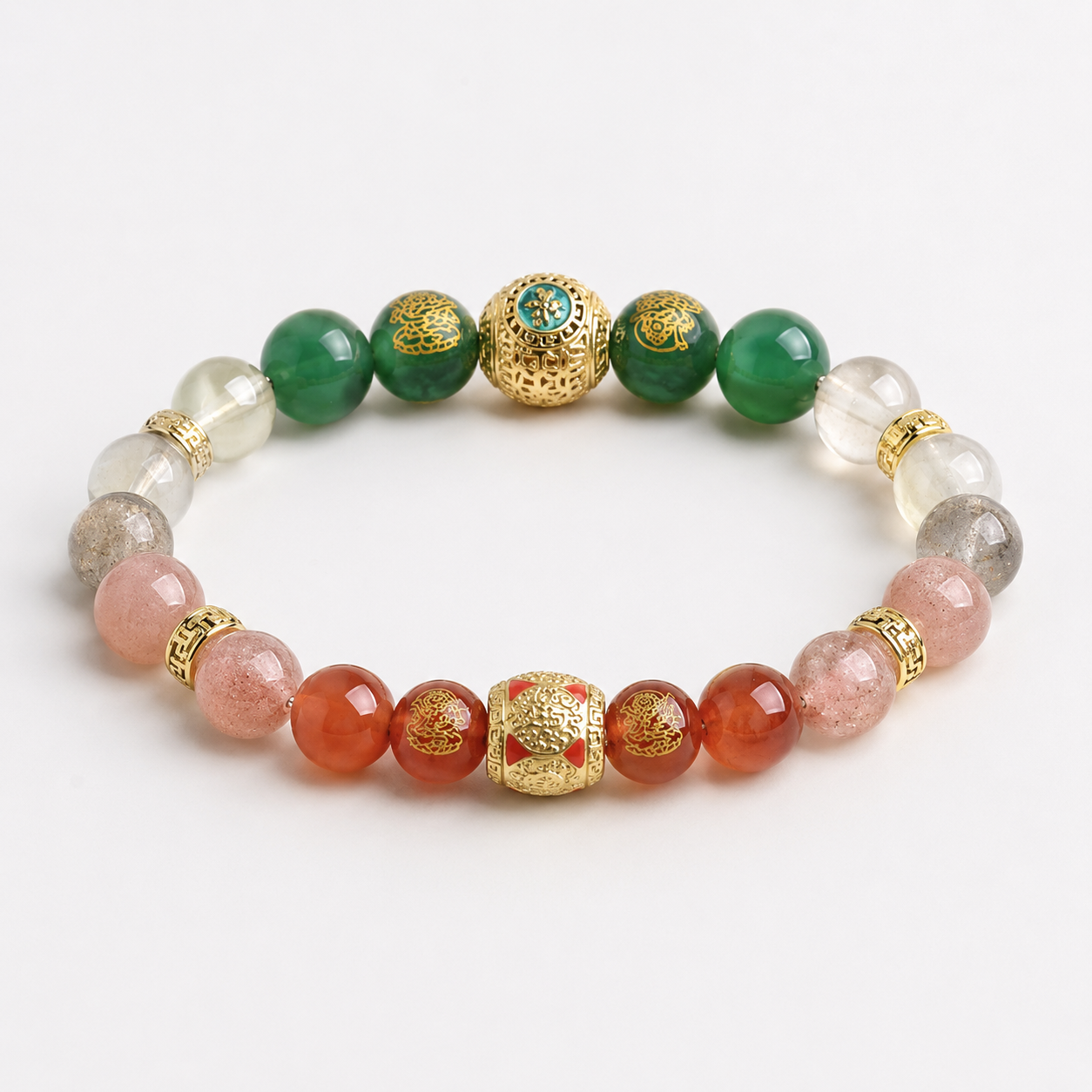
Money Bracelet
Best when the deeper issue is blocked abundance, money pressure, work frustration, or effort not turning into visible results.
View the Money Bracelet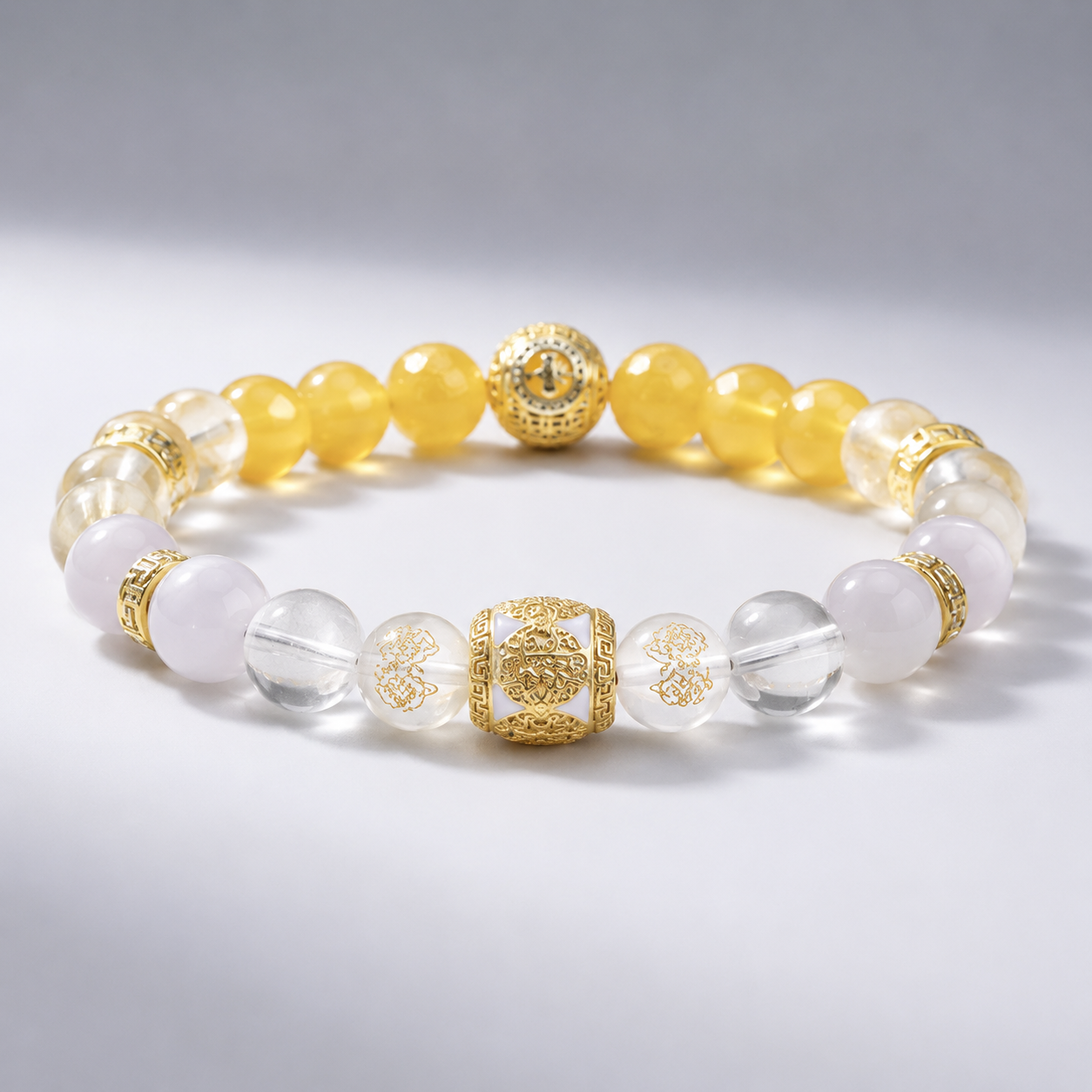
Protection Bracelet
Best when too much outside energy, weak boundaries, draining people, or heavy environments are making your timing feel worse.
View the Protection Bracelet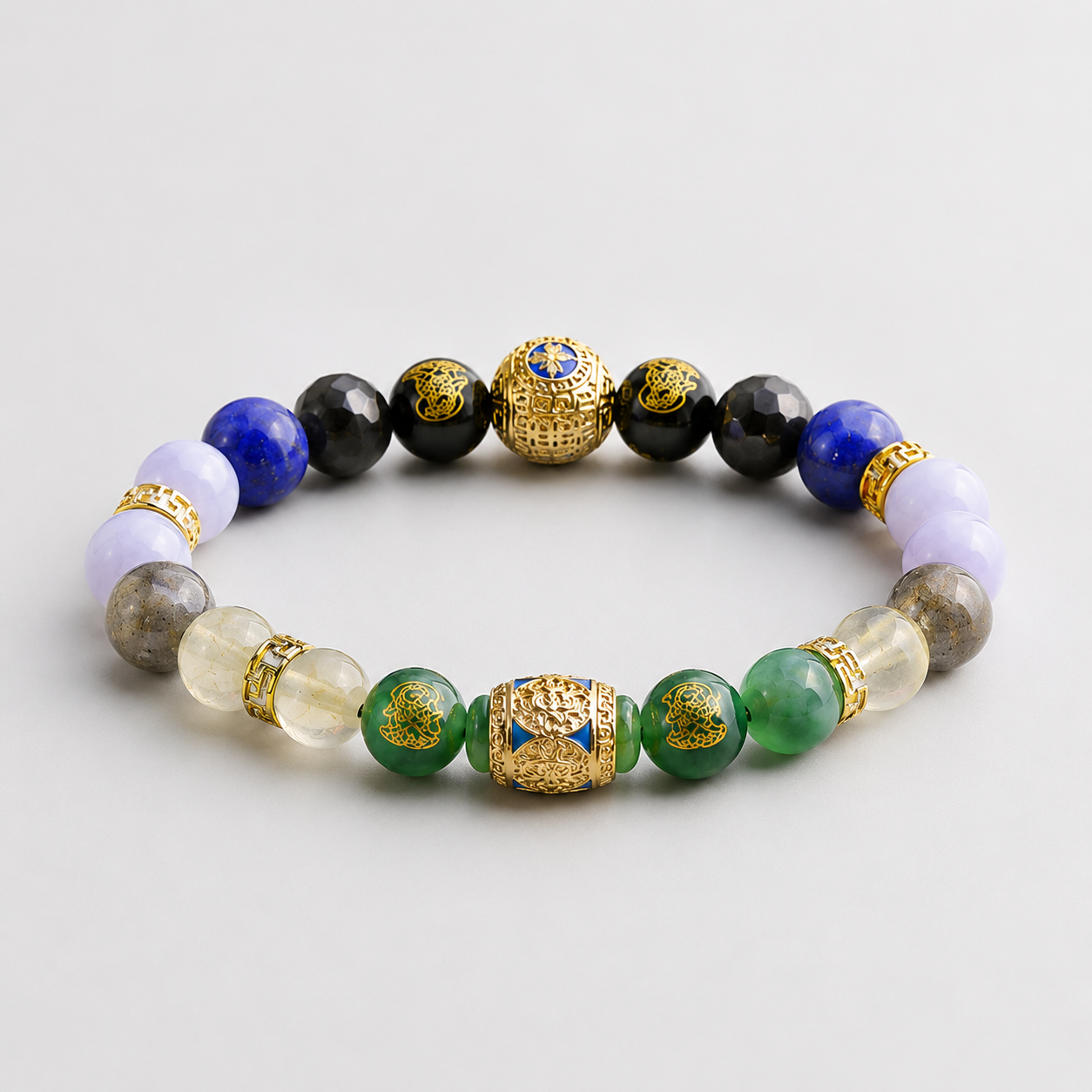
Healing Bracelet
Best when the real issue is emotional overload, inner heaviness, or the need to recover from a recent difficult stretch.
View the Healing BraceletWhat a Real Shift Usually Looks Like Before You Feel Lucky Again
Luck usually starts feeling better in smaller ways first. You feel less reactive. Your mind stops treating every setback as an omen. You notice fewer avoidable mistakes. Your pace gets calmer. One good choice starts leading to another.
That is why the first sign is not always a big external win. It is more often less chaos inside you. Once that happens, the outside starts catching up more easily.
NHS stress guidance is useful background here because prolonged stress changes attention, reaction, and everyday steadiness in ways people often mistake for permanent bad luck.
Why Do I Feel Unlucky Lately FAQ
Usually because recent stress, disappointment, or emotional overload changed your timing, reactions, and attention. The feeling often builds before you consciously notice it.
Not always. Sometimes it means your energy changed first. Sometimes it is a real pattern. The difference usually shows up in whether the same kind of problem keeps repeating.
Yes. Stress narrows attention, weakens patience, and makes the body expect trouble faster. That can make ordinary setbacks feel bigger and better moments harder to trust.
Start with the biggest recent drain. That could be poor sleep, money anxiety, one draining relationship, one chaotic habit, or one environment that keeps your energy messy.
It works as a ritual cue. Its value is helping you pause, reset, and choose from steadier energy before the recent spiral creates another unnecessary mistake.
How to Reset When You Have Felt Unlucky Lately
Check what shifted before the unlucky feeling started: sleep, money, work stress, relationships, or energy. Do this because “lately” usually points to a recent change, not a permanent truth. The result is that the feeling becomes more understandable and less mysterious.
Pull back from one person, habit, app, or obligation that is making your system noisier. Do this because overstimulation worsens timing and reaction. The result is more emotional space and less mental pressure.
Repair one foundation first, such as sleep, spending control, morning calm, or a simpler schedule. Do this because steadier routines create steadier judgment. The result is that luck has a cleaner surface to land on.
Touch the Lucky Charm Bracelet before the moment you usually rush, overthink, or assume the worst. Do this because the body often spirals before the mind explains it. The result is a pause long enough to choose more clearly.
Track calmer timing, fewer mistakes, better boundaries, and less emotional heaviness before looking for dramatic proof. Do this because real shifts often start quietly. The result is that you recognize progress instead of missing it.
Further Reading & Symbolic Context
Astro & Charm articles use astrology and symbolic tools as lifestyle guidance. The links below support the practical side of this topic around stress, regulation, and recent overwhelm, while the related Astro & Charm pages place luck inside a broader symbolic context.
WHO: Mental Health is useful background for understanding how emotional state affects resilience, judgment, and daily functioning.
Harvard Health: Stress explains how stress can distort focus, mood, and decision-making during difficult periods.
Harvard Health: Best Ways to Manage Stress supports the article's emphasis on calming the system before forcing bigger outcomes.
NHS: Stress is useful for readers trying to understand how prolonged stress changes reactions, attention, and everyday steadiness.