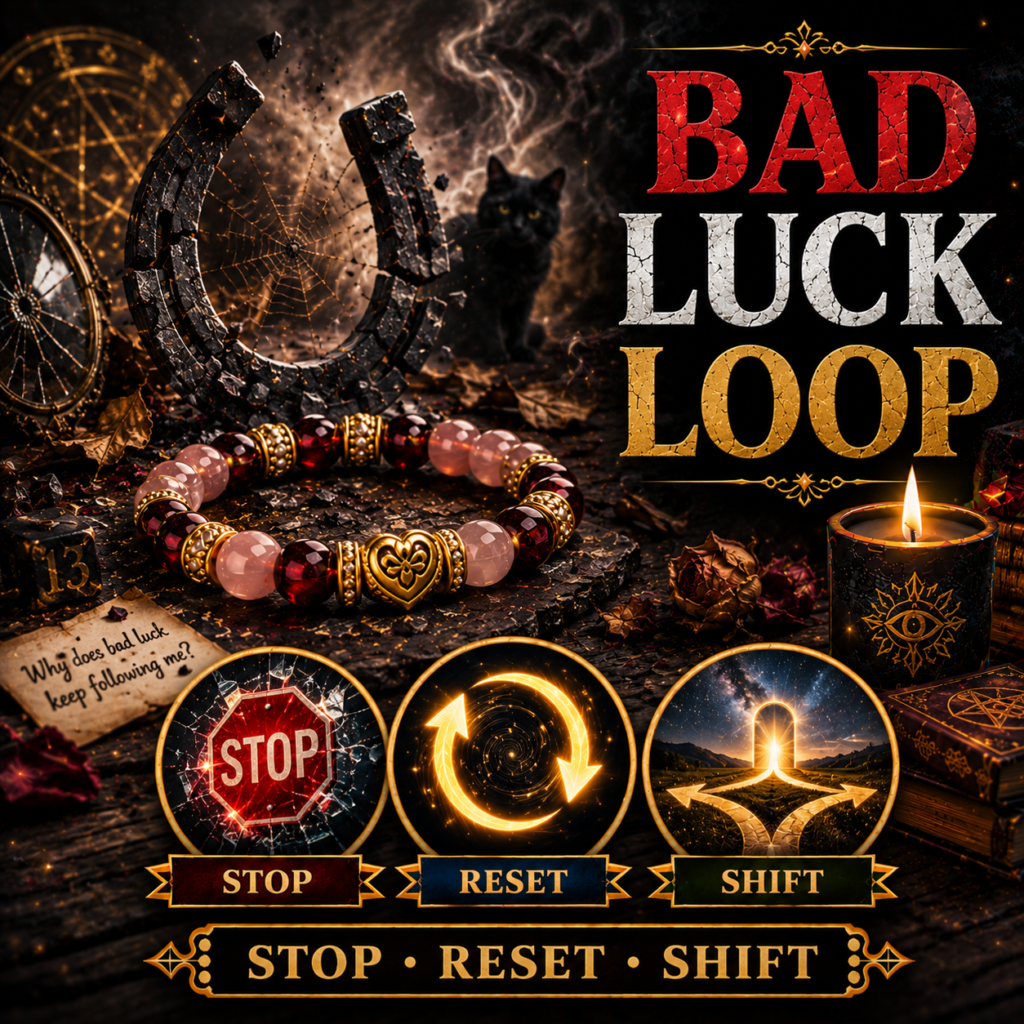
Why Do I Keep Having Bad Luck? What to Change So the Same Problems Stop Repeating
If you keep asking why do I keep having bad luck, the real issue is usually not a curse. It is more often a mix of repeated patterns, drained energy, weak boundaries, and bad timing getting more expensive every time you ignore the same problem.
Quick Answer
Why do I keep having bad luck usually comes down to one hard truth: the same pattern is still running, and your energy is too drained to interrupt it cleanly. What feels like constant bad luck is often repeated stress, poor pacing, bad boundaries, and the same emotional reaction turning one setback into five. Better luck usually starts when you stop feeding the exact people, habits, and choices that keep recreating the same outcome.
At a Glance
- What This Usually Feels LikeYou feel like the same kind of setback keeps finding you. Delays keep stacking. The wrong people keep showing up. Simple decisions keep getting more expensive than they should. At some point it stops feeling random and starts feeling personal.
- What Is Probably Really HappeningThe issue is often not one curse or one unlucky event. It is usually a mix of repeated stress, low energy, rushed timing, weak boundaries, and one emotional pattern that still has too much control over your choices.
- Best Next StepName the one pattern that keeps repeating, then cut the biggest leak first. If the whole phase feels broad and hard to name, start with bracelet for luck . If the main issue is heavy people or weak boundaries, go to bracelet for protection . If everything feels depleted and overloaded, use bracelet for healing .
In This Guide
Why Do I Keep Having Bad Luck Is Usually About Repetition, Not Fate
People ask this question when life stops feeling random and starts feeling targeted. One bad week is frustrating. But when the same type of delay, wrong person, money pressure, emotional crash, or stupid mistake keeps showing up, it starts feeling personal.
That is where the wrong story begins. You stop seeing each setback as one event and start treating it like proof that life is against you. Once that belief settles in, your timing gets worse. You rush more. You trust yourself less. You overreact faster. The original problem is bad enough, but the pattern around it is what keeps making it heavier.
Most of the time, repeating bad luck is not pure chaos. It is the same emotional setup finding a new stage. Same kind of overgiving. Same kind of delay. Same kind of decision made while stressed. Same kind of situation you already knew was wrong but kept tolerating anyway.
If you want the wider contrast page on difficult timing, unluckiest zodiac signs ranking 2026 is the closest evergreen companion read because it keeps this question inside the same broader luck cluster.
Why Low Energy Makes Bad Luck Feel Worse Than It Is
Burned-out people do not move through life cleanly. That is not a character flaw. It is what happens when your nervous system is overloaded and your emotional margin is already thin.
When your energy is low, normal friction becomes expensive. You answer too fast. You ignore what feels off. You stay too open to draining people and noisy situations because you do not have enough steadiness left to choose cleanly. Then you call the result bad luck, even though stress has been quietly distorting your judgment the whole time.
This is why bad luck often feels strongest during burnout, heartbreak, work pressure, poor sleep, or a season where too much is already sitting on your system. WHO's mental health overview and Harvard Health's stress guidance both support the same practical point: stress changes concentration, resilience, and everyday decision-making long before people realize how far off they are.
What Usually Keeps Feeding the Bad-Luck Cycle
Overexposure
Too many people, opinions, and energy leaksConstant outside input makes it harder to hear your own timing. When everyone has access to you, your judgment gets crowded.
Bad Pacing
Trying to force speed when life needs steadinessA lot of bad luck is really rushed timing. You move too early, react too fast, or try to fix the wrong thing before the real issue is clear.
Staying Loyal to What Drains You
The leak stays open, so the cycle stays activeSome patterns continue because part of you already knows what is wrong but still keeps feeding it. That is where bad luck stops being random and starts being cooperative.
If you want the Chinese zodiac angle on smoother and heavier timing, luckiest Chinese zodiac signs in 2026 and unluckiest Chinese zodiac signs in 2026 are the most relevant symbolic companion pages.
How to Tell Whether This Is a Random Streak or a Real Pattern
A random rough stretch hurts, but it changes shape. A real pattern repeats the same structure. That distinction matters more than people think.
If life is simply rough right now, the setbacks may be annoying but they do not all feel emotionally identical. If it is a real bad-luck pattern, the same trigger keeps bringing the same reaction and the same cost. Same anxious response. Same confusion. Same kind of regret afterward.
That is the clue. A repeating pattern is not asking you to be more optimistic. It is asking you to interrupt something. If you keep waiting for the cycle to pass while continuing to feed it, you are not really waiting. You are rehearsing it.
If the same problem keeps returning, start with why your luck feels so bad lately so the reset is based on the pattern, not just the latest setback.
What to Change First If You Want Better Luck
The fastest shift is usually not a big magical breakthrough. It is cleanup. Better luck has a much easier time entering a life that is not still leaking energy everywhere.
- Stop forcing what already feels wrong. The cost usually keeps rising after the warning signs are already clear.
- Stop making important choices in panic mode. Fear creates bad timing and then calls it fate.
- Stop staying too open to draining people, overstimulating spaces, and every opinion available.
- Stop using exhaustion as proof that you should push harder. Burnout is not momentum.
- Stop believing more effort will save what clearer judgment should end.
Harvard Health's stress-management guidance fits here because the first real upgrade is usually nervous-system level. Calm the body, reduce the leaks, then make the next clean decision.
Why the Lucky Charm Bracelet Actually Fits This Problem
This is where the article becomes practical. If your bad luck keeps repeating because your old reaction keeps winning, then you need something that interrupts the old reaction before it becomes another bad decision.
That is the real use of the Lucky Charm Bracelet . It is not there to pretend life is simple. It is there to work as a ritual cue. A reset point. A physical reminder to pause, breathe, and choose more cleanly before panic, overthinking, or emotional leakage starts running the moment for you.
The bracelet matters because bad luck is often less about one event and more about how quickly you fall back into the same internal script. If you can catch that script earlier, you change the next move. If you change the next move often enough, the whole pattern starts losing power.
The Main Pick if Everything Feels Mixed Together
Start here if your bad-luck season feels broad instead of specific. This is the strongest all-around choice in this article because it supports steadier timing, better follow-through, calmer decisions, and a wider symbolic reset without making the ritual too complicated.
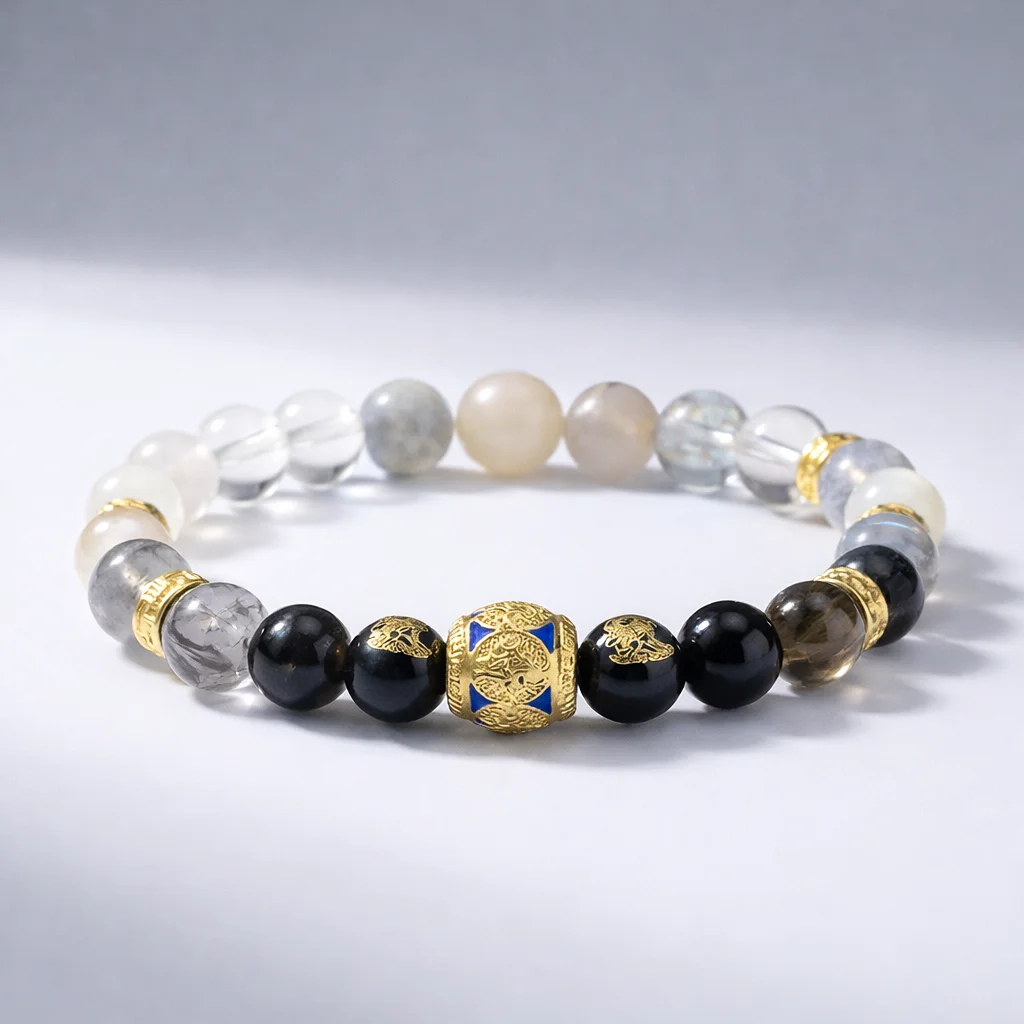
The goal is not to carry a fake promise. The goal is to carry something that keeps pulling you back to cleaner movement before the old pattern has another chance to run the show.
See the Main PickAll 5 Bracelet Options If Luck Is Not the Only Problem
The Lucky Charm Bracelet stays in the lead because this article is about broad repeating bad-luck cycles. But sometimes what looks like bad luck is really one deeper issue showing up everywhere: love pain, money pressure, emotional depletion, or the need for stronger protection.
Start with the all-around option if everything feels tangled. Choose one of the other four when the real issue underneath the luck story is more specific.
Lucky Charm Bracelet
Best when everything feels mixed. This is the main pick for broader luck reset, cleaner timing, and more stable decision-making.
View the Main Pick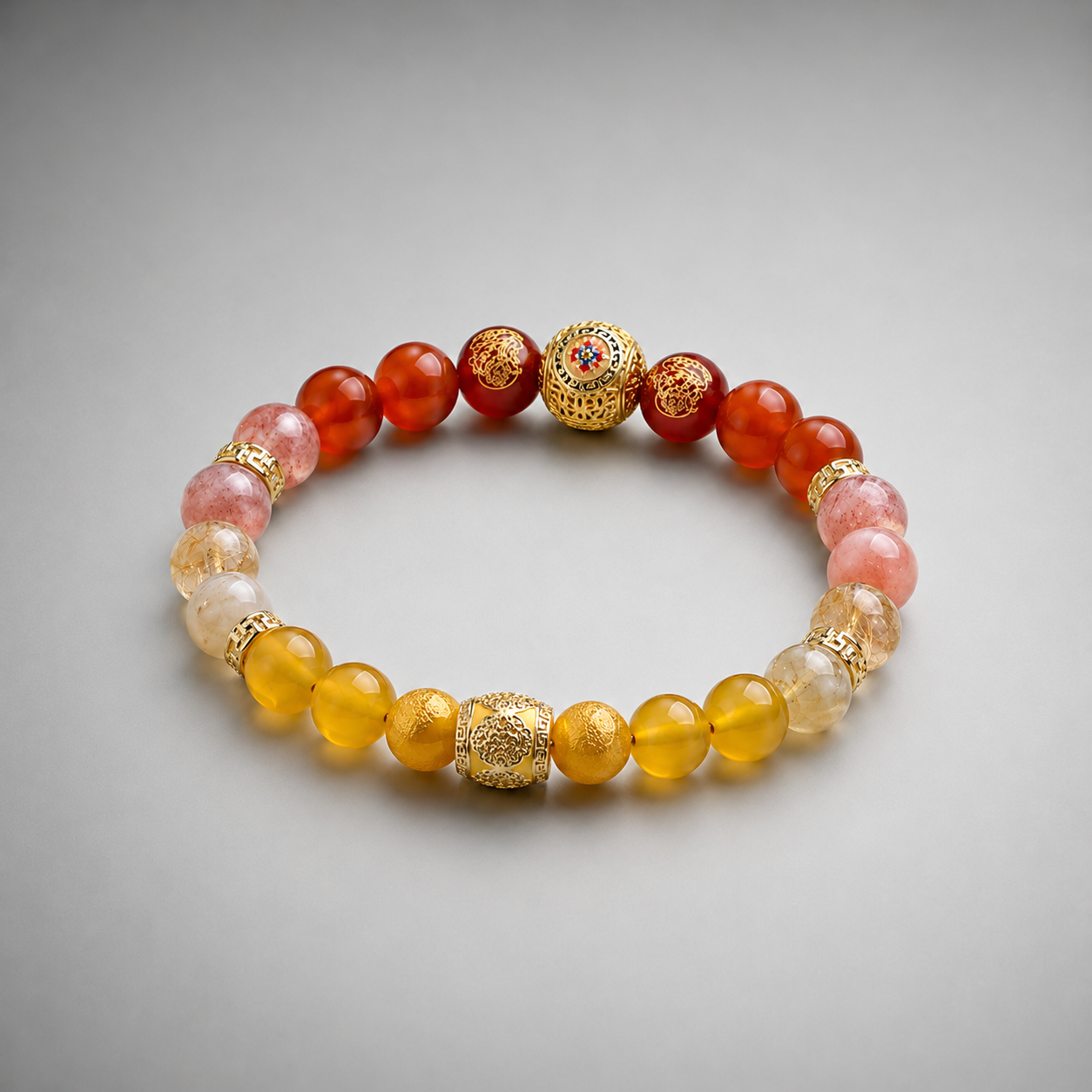
Love Bracelet
Best when your bad-luck spiral is really about heartbreak, repeated relationship pain, or feeling unseen in connection.
View the Love Bracelet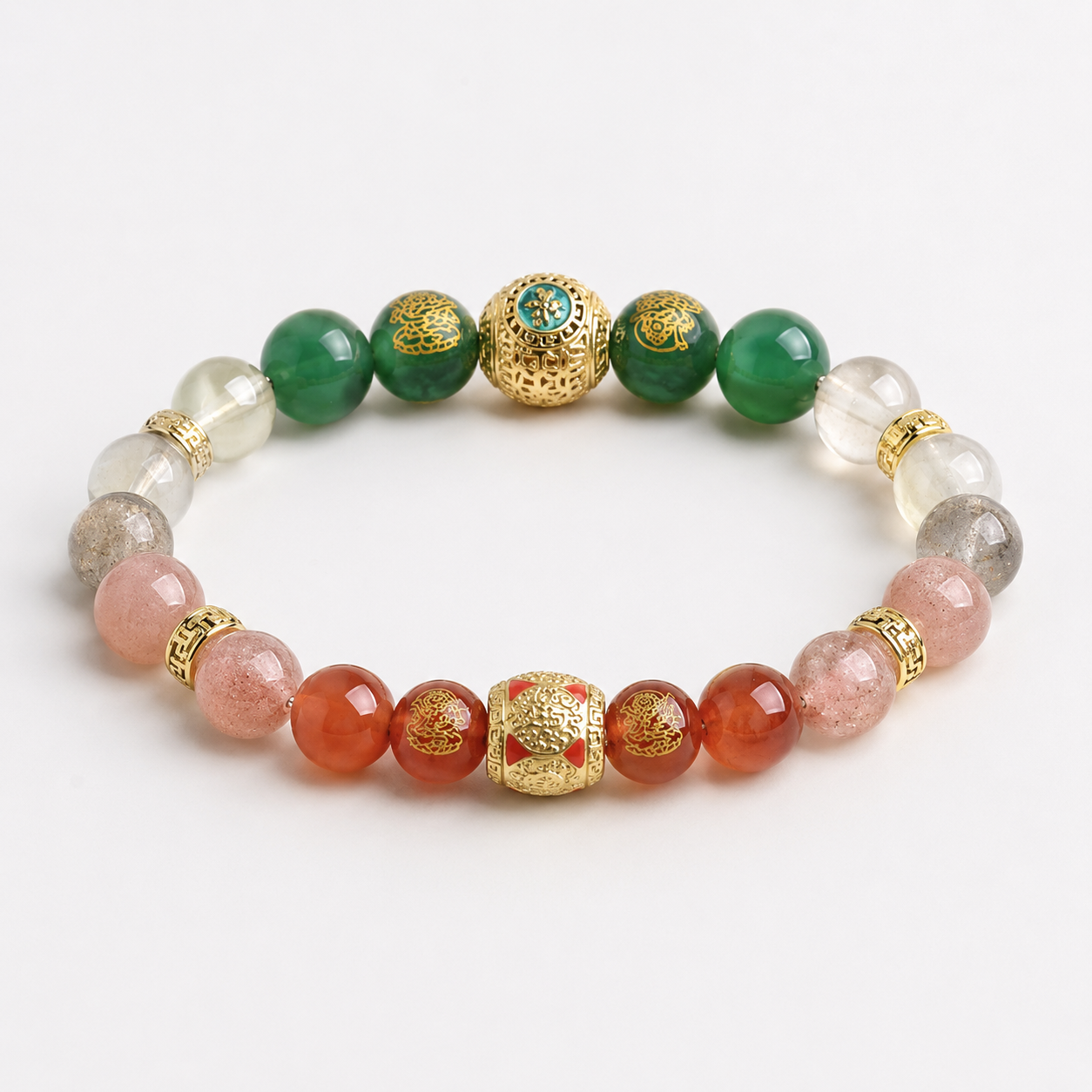
Money Bracelet
Best when the deeper issue is scarcity stress, career frustration, blocked abundance, or effort not turning into results.
View the Money Bracelet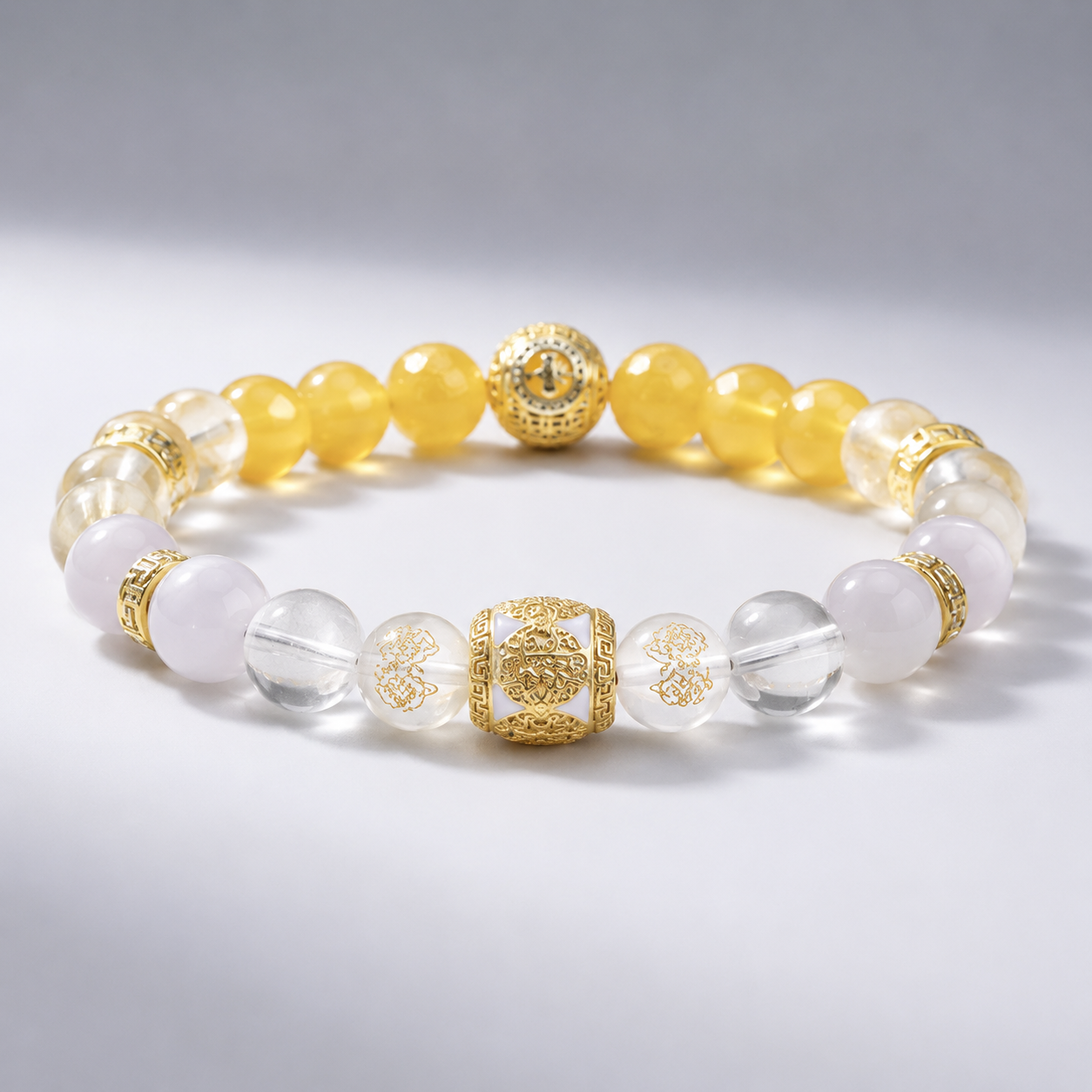
Protection Bracelet
Best when your luck keeps crashing around draining people, heavy spaces, weak boundaries, and too much spillover from others.
View the Protection Bracelet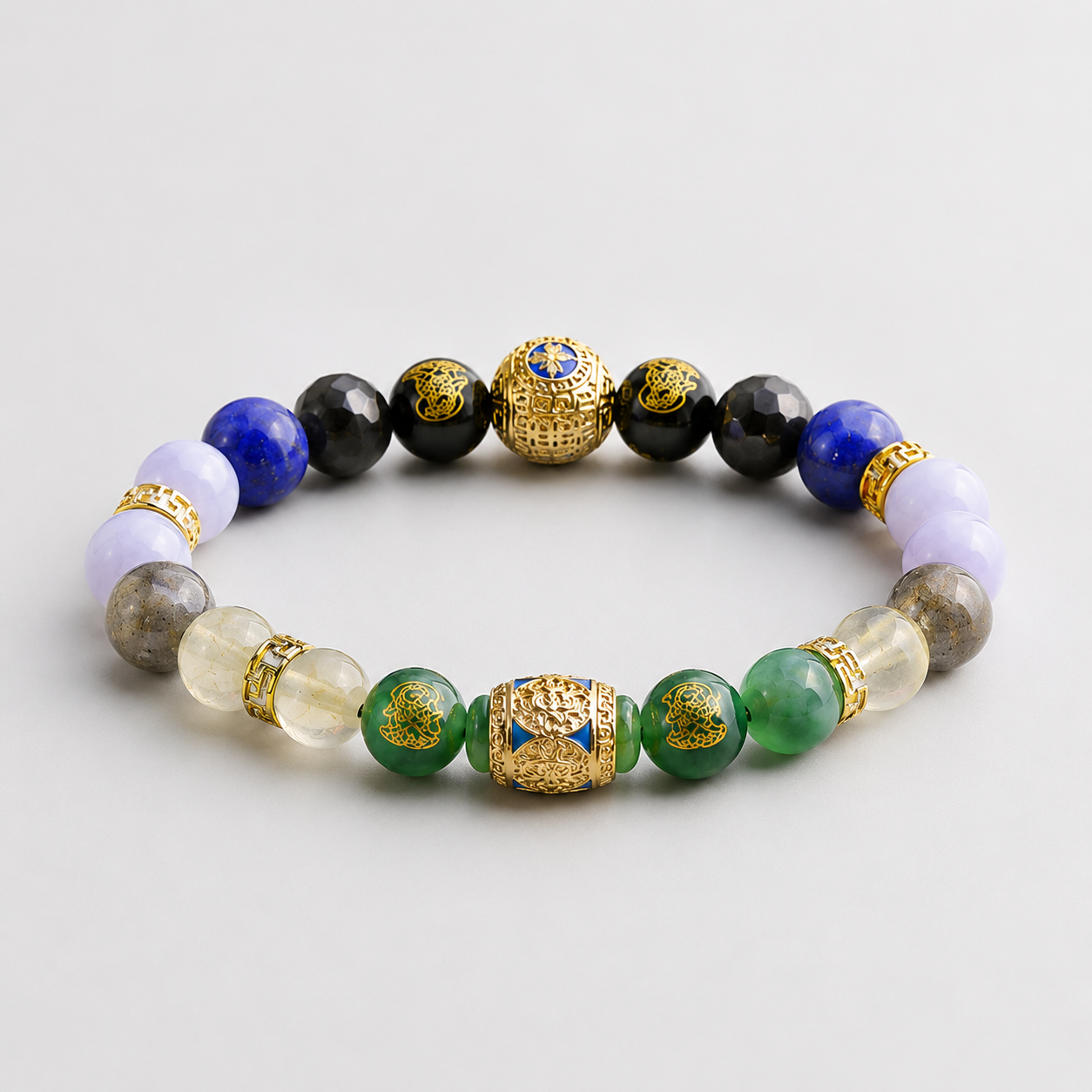
Healing Bracelet
Best when the main issue is emotional exhaustion, inner heaviness, or the feeling that your whole system needs recovery first.
View the Healing BraceletWhat Better Luck Usually Looks Like at First
Most people expect the first sign of better luck to be a dramatic win. Usually it is smaller and more useful than that.
Better luck often begins as less chaos. Fewer emotional overreactions. Better timing. Clearer money choices. Faster recognition of what is wrong. More willingness to leave what is draining you. Those are not glamorous changes, but they are real signs that the old pattern is starting to weaken.
That is why the shift usually feels cleaner before it feels easier. NHS stress guidance is useful background here because prolonged stress changes reactions, attention, and everyday steadiness in ways people often misread as destiny.
Why Do I Keep Having Bad Luck FAQ
Usually no. Most repeating bad-luck phases are a mix of exhaustion, bad timing, repeated behavior, and emotional overload, not a permanent curse.
Because the same emotional setup may still be active. If the same trigger keeps producing the same reaction and the same cost, the problem is usually a loop, not random fate.
Yes. Burnout weakens concentration, patience, timing, and judgment. That makes ordinary problems more expensive and repeating mistakes more likely.
Start with the biggest leak. That might be sleep, one draining person, a money habit, an overstimulating environment, or the decision you keep delaying even though you know it is overdue.
It works as a ritual cue. Its value is not magical control. Its value is helping you pause, reset, and choose more cleanly before the old pattern creates the next bad outcome.
How to Reset a Repeating Bad-Luck Pattern Before It Gets Heavier
Write down what keeps repeating: the setback, the trigger, and your usual reaction. Do this because vague frustration hides the real structure. The result is that you can finally see what is recurring instead of calling everything bad luck.
Cut down the person, habit, app, environment, or pace taking the most energy from you. Do this because low energy makes every other fix harder to hold. The result is more steadiness and fewer impulsive reactions.
Delay the anxious message, cancel the unnecessary spend, or say no where you usually say yes too fast. Do this because one cleaner decision gives the pattern less fuel. The result is the first small proof that the cycle is not fully in charge anymore.
Touch the Lucky Charm Bracelet before the moment your old pattern normally starts. Do this because the body often reacts before the mind catches up. The result is a pause long enough to choose from steadiness instead of fear.
Watch for smaller signs first: calmer timing, fewer mistakes, less desperation, better sleep, and clearer judgment. Do this because better luck often arrives quietly before it looks dramatic. The result is that you notice real progress instead of missing it.
Further Reading & Symbolic Context
Astro & Charm articles use astrology and symbolic tools as lifestyle guidance. The links below support the practical side of this topic around stress, regulation, and repeating emotional patterns, while the related Astro & Charm pages place luck inside a broader symbolic context.
WHO: Mental Health is useful background for understanding how emotional state affects resilience, judgment, and daily functioning.
Harvard Health: Stress explains how stress can distort focus, mood, and decision-making during difficult periods.
Harvard Health: Best Ways to Manage Stress supports the article's emphasis on calming the system before forcing bigger outcomes.
NHS: Stress is useful for readers trying to understand how prolonged stress changes reactions, attention, and everyday steadiness.