Why Has My Luck Changed? The Real Reason Life Suddenly Feels Different
If your luck used to feel easier and now everything feels heavier, slower, or strangely off, the change is usually not random. It is more often a sign that your energy, timing, environment, or emotional patterns have shifted enough to change the results you keep getting.
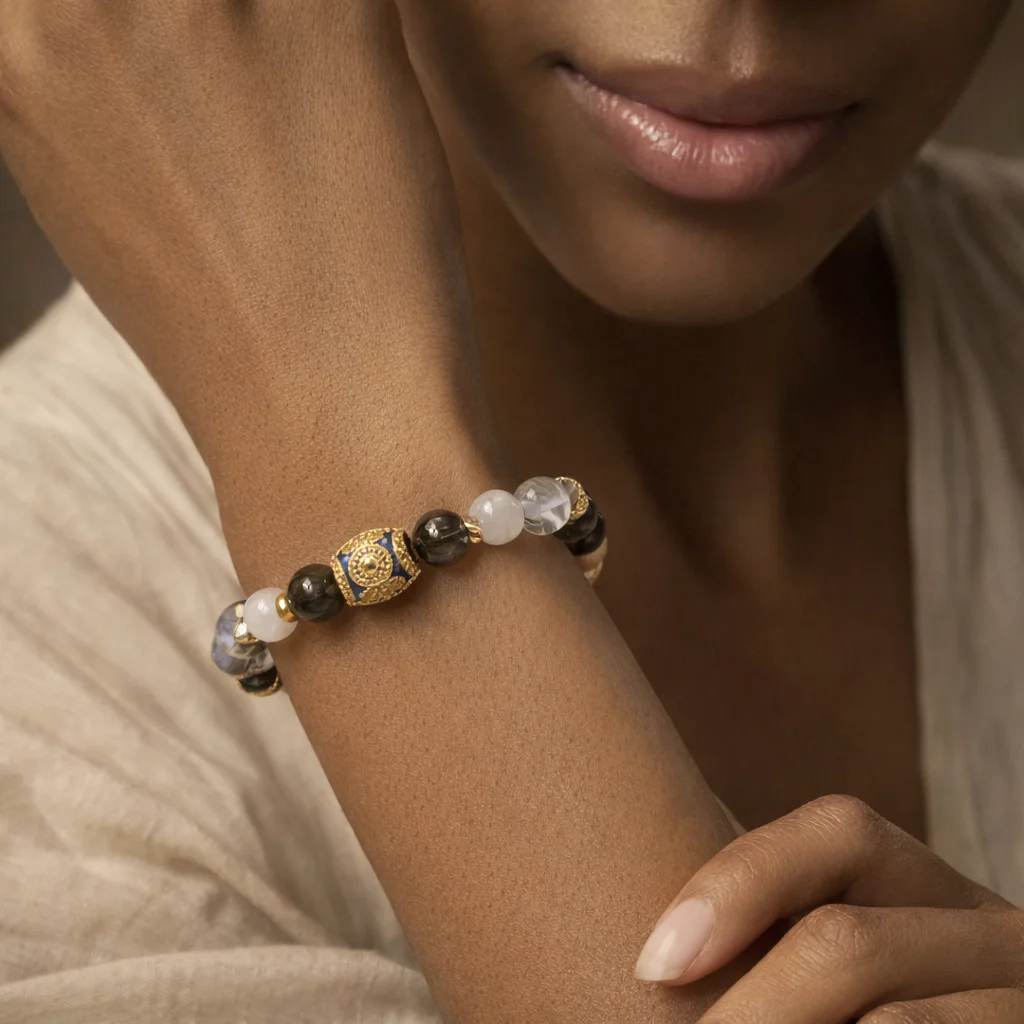
When luck changes, the first real reset usually happens in your pace, boundaries, and steadiness before it shows up outside.
Quick Answer
Why has my luck changed usually comes down to this: something in your energy, environment, habits, or emotional state has changed first, and your results are catching up to it. Luck often feels different after burnout, relationship stress, money pressure, weak boundaries, or a major internal shift. The answer is usually not to chase your old luck back. It is to understand what changed, clean up what is draining you now, and rebuild steadier conditions for better timing to return.
In This Guide
Why Luck Can Suddenly Feel Different Even When Nothing Obvious Happened
People usually ask this when life used to feel smoother and now it does not. Maybe you used to make better decisions more naturally. Maybe opportunities used to land at the right time. Maybe your confidence felt cleaner, your money flowed more steadily, or your relationships did not drain you as much.
Then something shifted. Not always dramatically. Sometimes luck changes because your life got noisier. Sometimes it changes because stress built quietly in the background. Sometimes it changes because you kept overriding your own intuition until your timing started getting worse. The shift feels sudden, but most of the time it was forming long before you noticed the result.
That is why this question matters. Changed luck is often not proof that life turned on you. It is more often evidence that the conditions around your decisions, energy, or boundaries are no longer the same as they were before.
If you want the contrast page for heavier symbolic timing, unluckiest zodiac signs ranking 2026 is the cleanest related read because it keeps this question inside the same evergreen luck cluster.
How Your Energy Quietly Changes the Kind of Luck You Experience
Luck feels different when you feel different. That sounds simple, but most people resist it because they want a cleaner explanation than burnout, emotional depletion, or low-grade stress changing the way they move through life.
When your system is steady, you notice more, rush less, and trust your timing better. When your system is overloaded, you misread faster, overreact sooner, and say yes to things that cost more than they give. That does not mean every setback is your fault. It means low energy makes bad timing more expensive.
WHO's mental health overview and Harvard Health's stress guidance both support the practical point here: stress changes concentration, resilience, judgment, and emotional steadiness long before people admit how much it is affecting their daily life.
What Usually Changes Before Your Luck Changes
Your Environment Changes
More noise, more pressure, less clarityNew people, heavier demands, unstable routines, or more emotional noise can quietly change how well you make decisions.
Your Boundaries Get Weaker
More access for the wrong people and habitsLuck often drops when too many people, platforms, opinions, and obligations start reaching into your energy without enough filtering.
Your Internal Pattern Gets Reactivated
Old fear starts shaping new choices againSometimes luck changes because an old wound, old habit, or old emotional script quietly started running again under new circumstances.
If you want the Chinese zodiac angle on smoother and rougher timing, luckies chinese zodiac ranking 2026 and unluckiest chinese zodiac ranking 2026 are the most relevant symbolic companion pages.
When Changed Luck Is Actually a Warning Instead of a Punishment
This is the part many people miss. A change in luck is not always there to hurt you. Sometimes it is there to expose what no longer fits.
When luck starts changing around the same person, same place, same work pattern, or same emotional habit, the shift may be trying to make something visible. It may be showing you that your pace is wrong, your boundaries are too weak, your environment is too draining, or your intuition has been ignored for too long.
That does not make the transition pleasant. But it does make it meaningful. If the shift is showing you what no longer works, then your job is not to panic and force the old version of life back. Your job is to understand what needs changing now.
What to Reset First If Your Luck No Longer Feels the Same
The first reset is usually not glamorous. It is not 鈥渕anifest harder.鈥� It is cleanup.
- Reduce the biggest drain first, even if it is inconvenient to admit what that drain is.
- Stop making important choices while emotionally overloaded.
- Repair sleep, pacing, and routine before expecting your timing to feel sharp again.
- Pull back from the people and spaces that keep making your energy messy.
- Stop trying to recreate your old luck without understanding what changed underneath it.
Harvard Health's stress-management guidance fits here because better results usually begin with a calmer system. Clean up the conditions, then watch what your timing starts doing differently.
Why the Lucky Charm Bracelet Fits a Season of Changed Luck
When luck changes, what most people need is not a dramatic promise. They need something steady enough to stop them from spiraling every time life feels off again.
That is the real use of the Lucky Charm Bracelet. It works as a ritual cue. A physical reminder to pause, reset, and choose more cleanly before low energy, panic, or old timing starts controlling the next move.
The bracelet matters because changed luck often becomes worse when you start reacting from fear. If you can slow the reaction and return to steadiness first, you give yourself a real chance to make a different decision and create a better result.
The Main Pick if Your Luck Feels Broadly Off
Start here if your luck feels different in more than one area at once. This is the strongest all-around bracelet in this article because it supports steadier timing, cleaner follow-through, and a broader symbolic reset without forcing you into an overly narrow meaning.
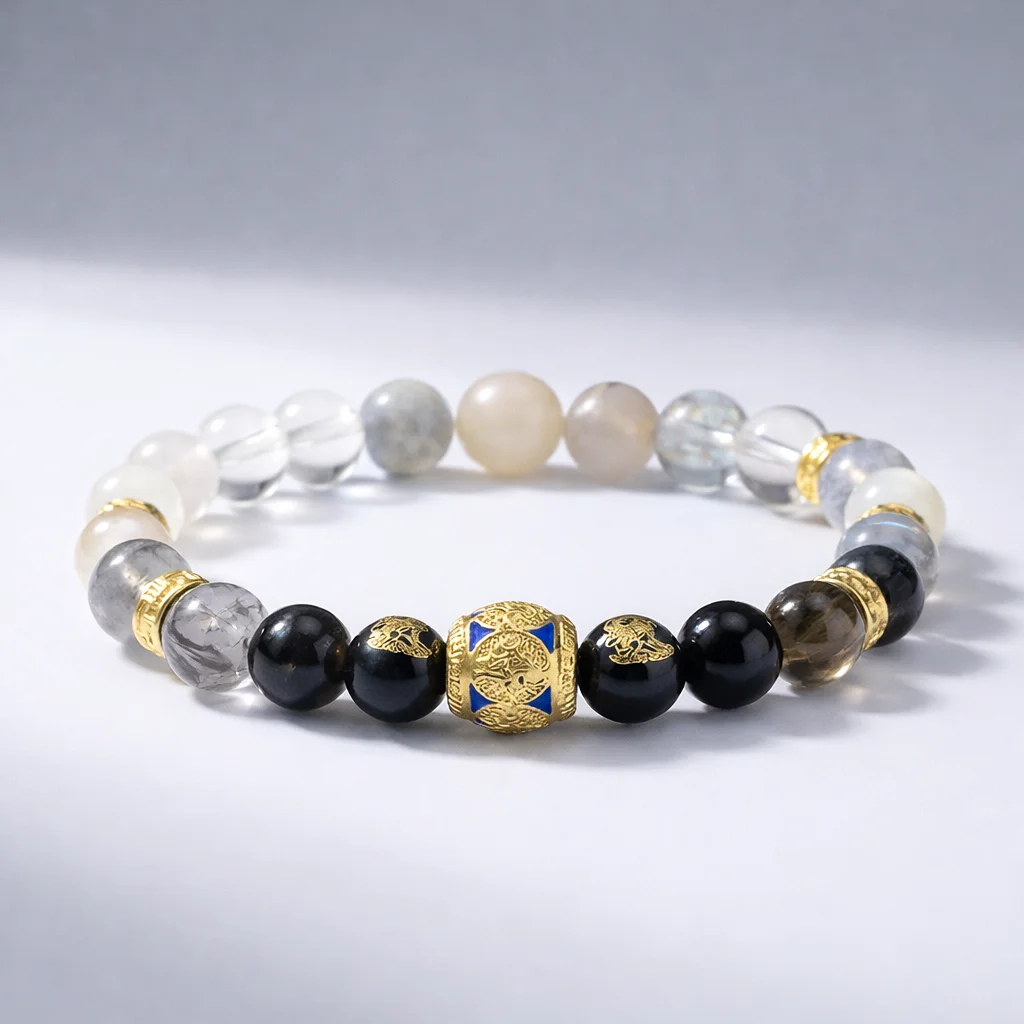
The point is not to pretend luck can be controlled perfectly. The point is to carry a reset cue that helps you stop moving from scattered energy and start rebuilding better conditions for clearer movement.
See the Main PickAll 5 Bracelet Options If Luck Is Not the Only Problem
The Lucky Charm Bracelet is still the main recommendation here because this article is about a broad change in luck, not one narrow issue. But sometimes changed luck is only the surface layer. Underneath it, the real issue is love pain, financial stress, weak protection, or the need for deeper healing.
Start with the all-around option when everything feels mixed together. Choose one of the other four when the underlying issue is clearer than the luck story itself.
Lucky Charm Bracelet
Best when everything feels mixed. This is the main pick for broader luck reset, steadier timing, and cleaner decisions.
View the Main Pick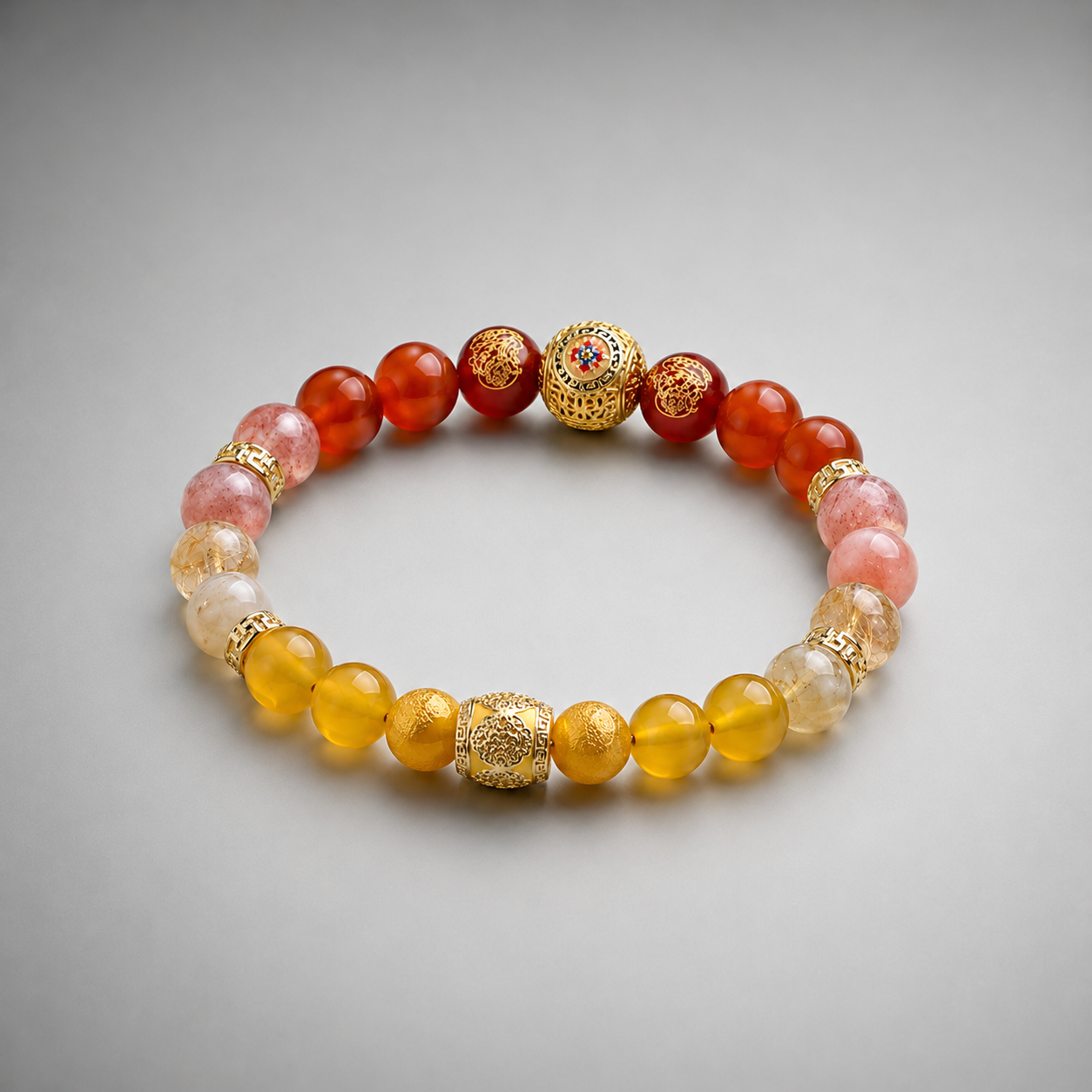
Love Bracelet
Best when the real shift is around heartbreak, emotional rejection, repeated love pain, or changed relationship energy.
View the Love Bracelet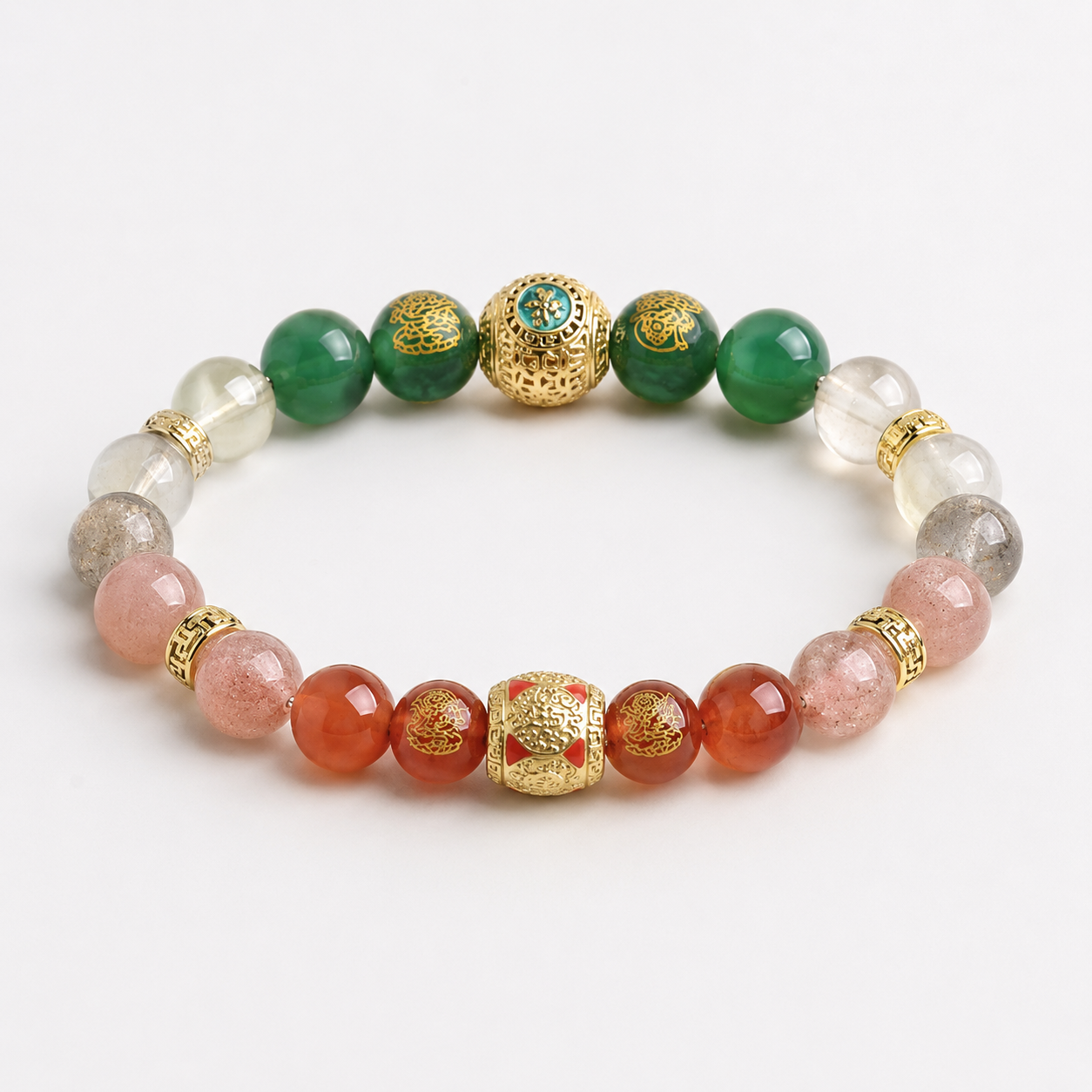
Money Bracelet
Best when the deeper shift is financial pressure, blocked abundance, work frustration, or effort not becoming results.
View the Money Bracelet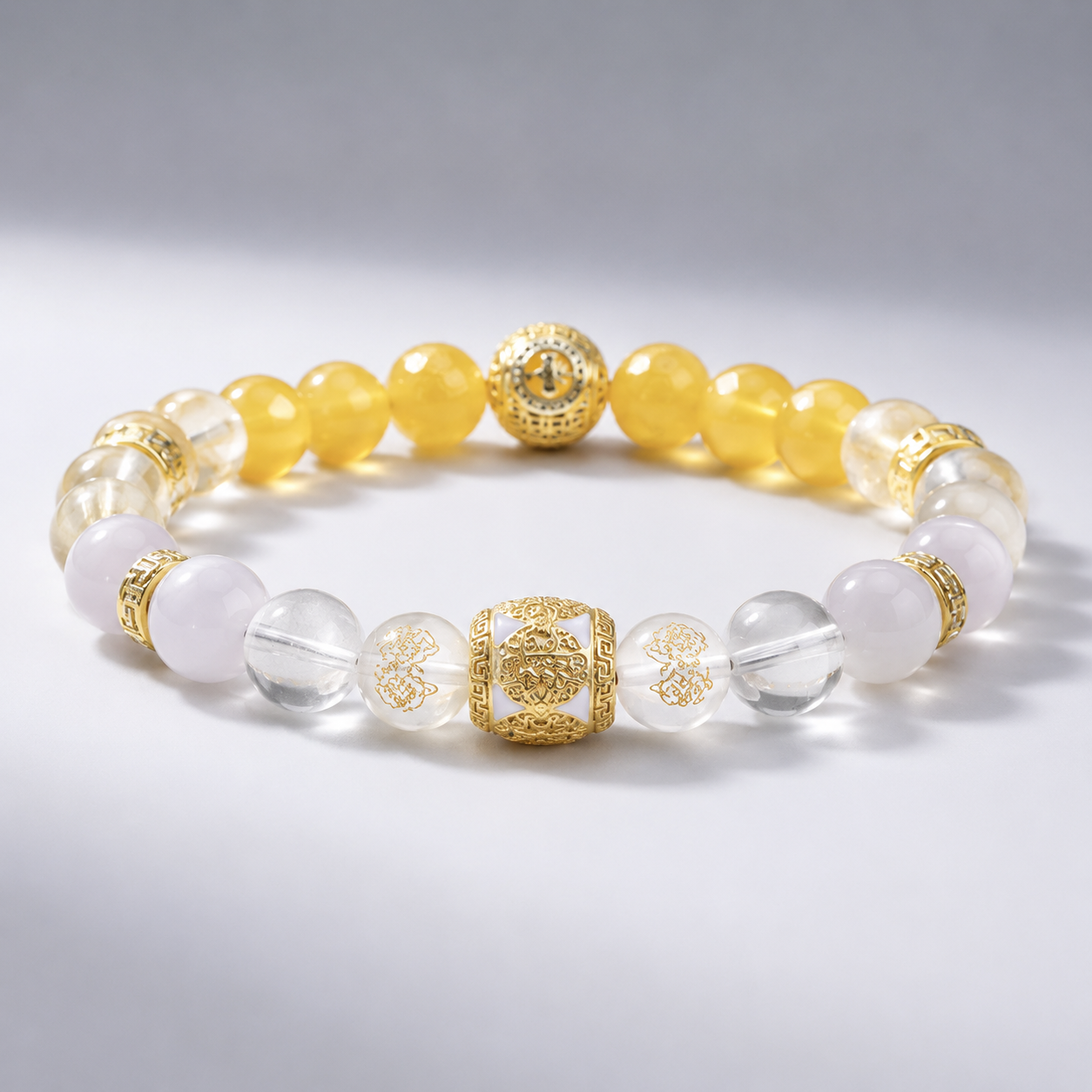
Protection Bracelet
Best when luck changed because too much outside energy, weak boundaries, or draining people are affecting your center.
View the Protection Bracelet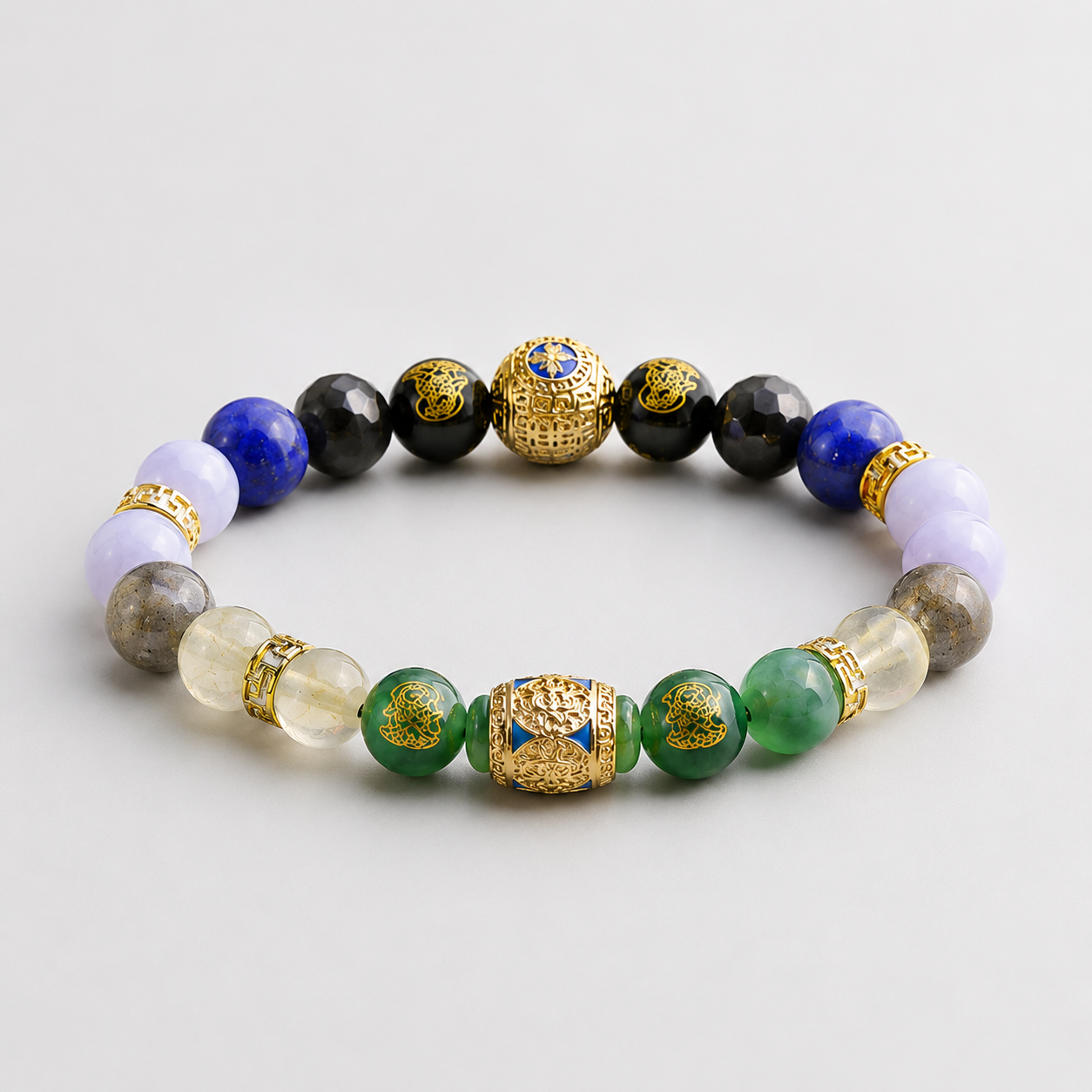
Healing Bracelet
Best when the main issue is emotional depletion, inner heaviness, softer recovery, or the need to rebuild from the inside first.
View the Healing BraceletHow Better Luck Usually Starts Returning
Better luck rarely comes back with one giant sign. Usually it returns in smaller ways first.
You make fewer avoidable mistakes. You notice what feels off sooner. You stop oversharing your energy. Your timing improves a little. One cleaner choice leads to another. The chaos starts thinning out before the visible rewards get dramatic.
That is why changed luck should not only be measured by outcomes. It should also be measured by the quality of your movement. NHS stress guidance is useful background here because prolonged stress changes attention, reactions, and daily functioning in ways people often mistake for destiny.
Why Has My Luck Changed FAQ
Usually because something changed first beneath the surface: your energy, boundaries, environment, timing, or stress level. The results often look sudden even when the shift built slowly.
Yes. Stress affects concentration, patience, timing, and judgment. That can make ordinary problems feel heavier and make better opportunities harder to notice or handle well.
Not always. Sometimes it means your environment or emotional load changed. Sometimes it means an old pattern became active again. Either way, the shift is often useful information, not automatic proof of failure.
Look at what changed in your energy after certain people, spaces, or routines entered your life. If your clarity, timing, and steadiness dropped after that, the surrounding environment may be part of the problem.
It helps as a ritual cue. Its role is to bring your attention back to steadiness before fear, pressure, or old timing creates another bad decision.
Mini HowTo: What to Do When Your Luck Feels Different
Look at what changed in your routine, energy, relationships, work pressure, or emotional state before things started feeling off. Do this because results usually follow an earlier shift. The result is that you stop treating the change like a total mystery.
Pull back from the person, habit, platform, or environment creating the most emotional mess. Do this because noisy conditions distort timing and judgment. The result is more clarity and less reactive decision-making.
Fix one basic support first: sleep, food timing, spending control, quieter mornings, or fewer anxious messages. Do this because steadier luck needs steadier foundations. The result is less internal chaos feeding the shift.
Touch the Lucky Charm Bracelet before the moment you normally spiral, rush, or doubt yourself. Do this because the body often reacts before the mind explains it. The result is a pause long enough to choose more cleanly.
Look for calmer timing, fewer mistakes, clearer boundaries, and less emotional heaviness before expecting dramatic wins. Do this because luck often improves quietly first. The result is that you notice real progress instead of missing it.
Further Reading & Symbolic Context
Astro & Charm articles use astrology and symbolic tools as lifestyle guidance. The links below support the practical side of this topic around stress, regulation, and life transitions, while the related Astro & Charm pages place luck inside a broader symbolic context.
WHO: Mental Health is useful background for understanding how emotional state affects resilience, judgment, and daily functioning.
Harvard Health: Stress explains how stress can distort focus, mood, and decision-making during difficult periods.
Harvard Health: Best Ways to Manage Stress supports the article's emphasis on calming the system before forcing bigger outcomes.
NHS: Stress is useful for readers trying to understand how prolonged stress changes reactions, attention, and everyday steadiness.