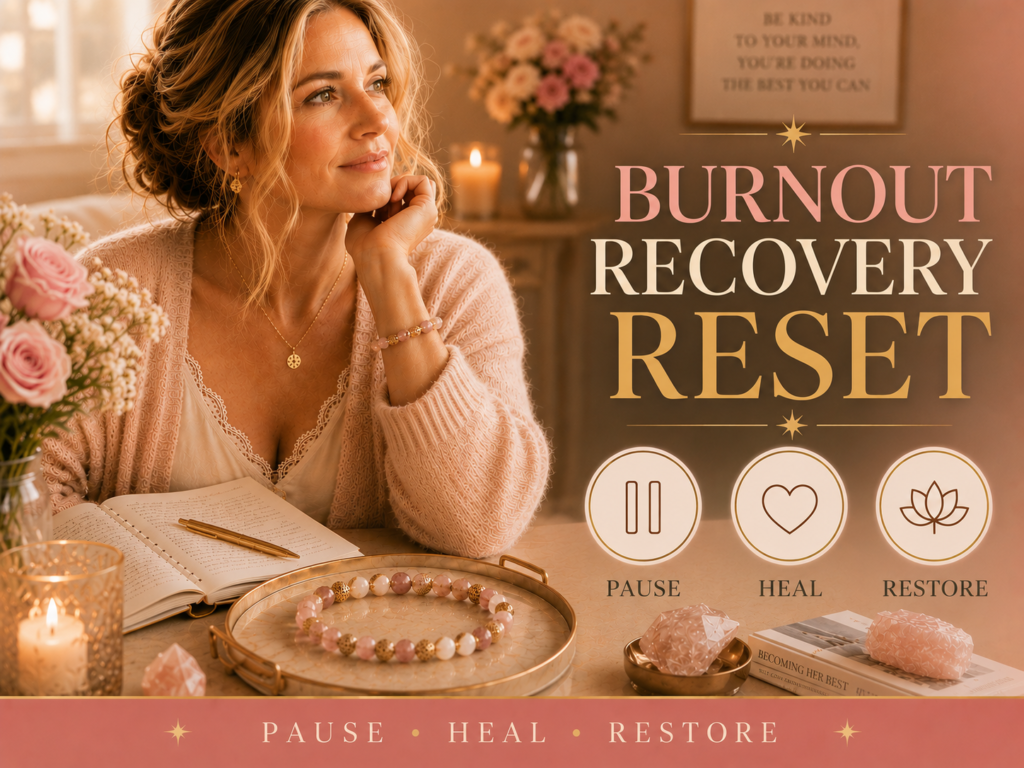
How to Recover From Emotional Burnout: How to Calm Your Nervous System and Feel More Like Yourself Again
If you are trying to figure out how to recover from emotional burnout, the real issue is usually not that you need more motivation. It is that your system has been carrying pressure, noise, and emotional responsibility for too long without enough real recovery. Burnout starts lifting when life becomes less internally expensive, not when you force yourself to act normal again.
Quick Answer
How to recover from emotional burnout starts with lowering what keeps your nervous system overactivated: too much input, too many emotional demands, no protected recovery time, and the habit of pushing through long after your system has stopped feeling safe. Recovery becomes visible when you remove daily overload, rebuild one calming routine, create harder boundaries around what drains you, and stop treating collapse as your only permission to rest.
At a Glance
- What Emotional Burnout Usually Looks Like You may still function, but everything feels heavier than it should. Small tasks feel expensive, people feel louder, your emotions feel flatter or more fragile, and your body acts as if simple life now costs too much.
- What Usually Slows Recovery Down Burnout recovery drags when you keep saying yes from guilt, stay overstimulated, recover only in fragments, or try to become productive again before your nervous system feels calmer and more protected.
- Best Next Step If the issue clearly feels like depletion, inner strain, or emotional exhaustion, start with bracelet for healing. If your burnout gets worse around people, pressure, or emotional spillover, add bracelet for protection. If you still cannot tell which support path fits, use which bracelet should I wear.
In This Guide
- Why emotional burnout does not lift just because you rest once
- How to calm your nervous system emotionally
- What to stop first if you want real burnout recovery
- How to rebuild emotional energy without forcing yourself
- Where a bracelet for burnout recovery fits
- Which bracelet path matches your burnout pattern
- FAQ
- How to Start
Why Emotional Burnout Does Not Lift Just Because You Rest Once
One of the most frustrating parts of emotional burnout is that rest does not always work as quickly as people expect. You sleep in, take a quiet day, cancel a few things, and still wake up feeling like your inner battery never really moved.
That happens because burnout is usually not only about being tired. It is about being overextended for too long in ways that changed your baseline. You stopped recovering cleanly. You became too used to pressure. Your system learned to stay half-alert even in quiet moments.
That is why learning how to recover from emotional burnout means doing more than resting once. You have to lower the pattern that keeps re-burning you. Otherwise the break becomes a pause, not a reset.
How to Calm Your Nervous System Emotionally
If you want to calm your nervous system emotionally, do not start by chasing a perfect mood. Start by reducing the signals that keep telling your body it still has to brace.
Shorten your emotional input window
Less noise means less reactivationPut real limits on news, chats, social feeds, emotional dumping, and late-night overconsumption. A calmer system usually begins with less incoming pressure.
Repeat one calming action at the same hour
Safety grows faster when it is predictableA short walk, shower, tea ritual, journaling block, or breath-based reset works better when it becomes familiar enough for the body to expect relief there.
Stop making every drained day mean something is wrong with you
Self-judgment keeps the system activatedBurnout often gets worse when exhaustion turns into shame. The goal is not to like the depletion. The goal is to stop turning it into another threat.
What to Stop First If You Want Real Burnout Recovery
Emotional burnout almost always has a pattern underneath it. A person, a pace, an environment, a duty loop, or a self-pressure habit is still asking too much from you. Recovery starts moving the moment you stop cooperating with the main drain.
- Stop treating urgency as normal. If everything feels equally important, your system never gets to stand down.
- Stop saying yes from guilt. Burnout gets fed by access, not just by work.
- Stop using your last ounce of energy to look okay. Image management is expensive when you are already depleted.
- Stop recovering only after collapse. Small daily recovery beats dramatic breakdown recovery almost every time.
This is where many people get stuck. They want burnout to lift without changing the pattern that created it. That usually does not work for long.
How to Rebuild Emotional Energy Without Forcing Yourself Back Online
Recovery becomes more believable when it is tied to actions you can repeat, not to whether you wake up inspired. Burnout repair is often quieter than people want, but it works better that way.
| What You Notice | What To Do | What Usually Improves First |
|---|---|---|
| You feel emotionally flat | Lower input and add one short reflective practice instead of pushing yourself into more stimulation. | More emotional movement and less numb heaviness |
| You feel restless even while resting | Use a repeated calm hour each day, not random recovery scraps whenever life allows it. | More nervous system predictability |
| You feel drained around people | Reduce exposure to the loudest emotional source and test what changes within a week. | More clarity about what is actually exhausting you |
| You feel guilty for slowing down | Replace one output goal with one recovery goal and treat it as non-negotiable. | Less internal conflict around healing |
That is how to recover from emotional burnout in a way that lasts. You rebuild enough internal steadiness that life stops feeling expensive before you try to become impressive again.
Where a Bracelet for Burnout Recovery Fits
A bracelet for burnout recovery should not pretend to replace rest, boundaries, or nervous system repair. Its real value is simpler: it gives you a physical recovery cue before the old burnout pattern takes the next hour from you.
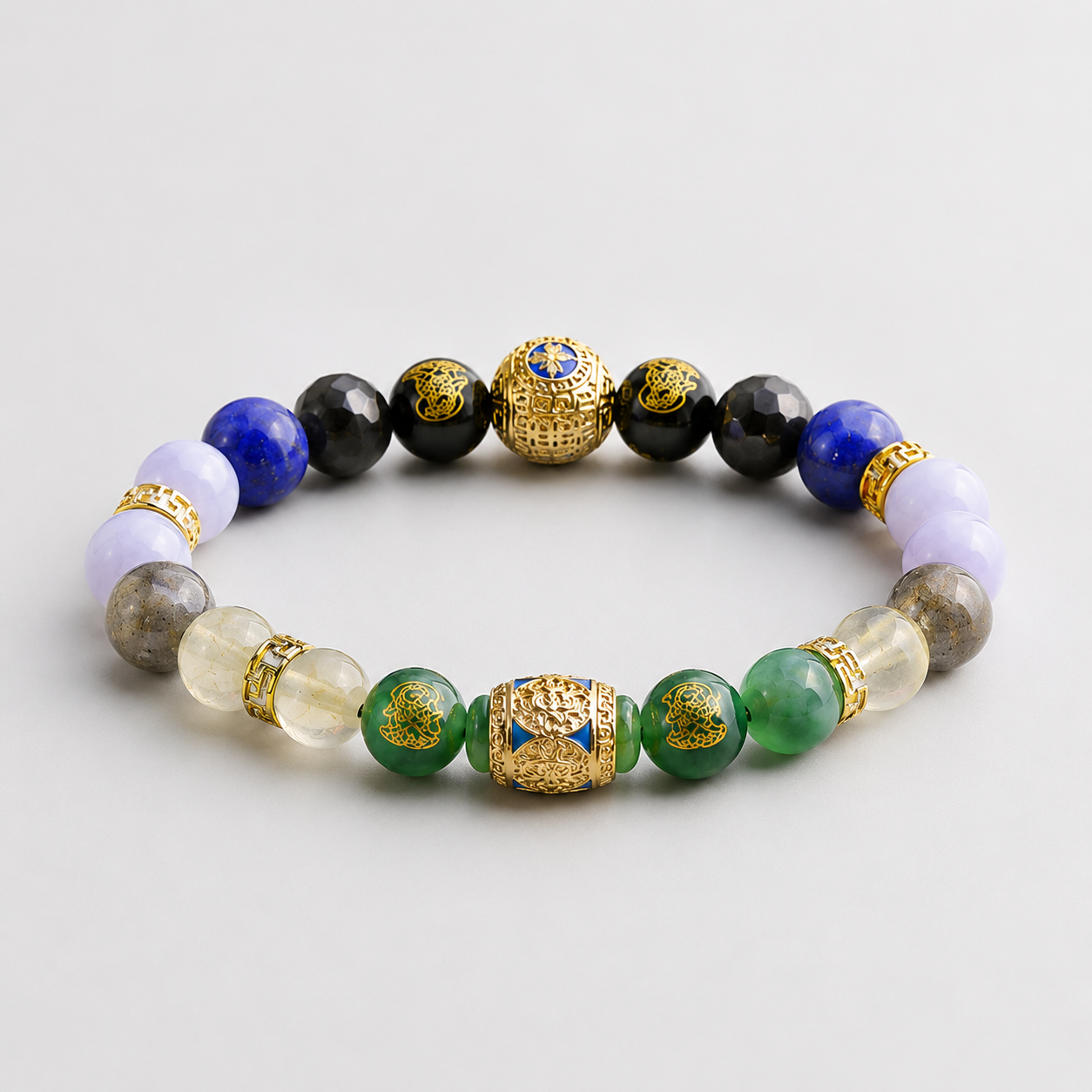
For this page, the Healing Bracelet is the strongest main fit because the issue is depletion and emotional repair. If your burnout spikes around people, spaces, or emotional exposure, the next layer is bracelet for protection. If you are still unsure whether the real issue is healing, protection, or something broader, go to which bracelet should I wear.
In practice, the bracelet matters at the exact moment your old pattern tries to take over again: before you overcommit, before you override your exhaustion, before you answer one more emotional demand from an already empty place.
A Practical Starting Point for Burnout Recovery
If the real issue is inner depletion, emotional overload, and a nervous system that no longer resets cleanly, the Healing Bracelet is the clearest first choice. Use it as a reset cue when you need to pause, lower internal pressure, and return to a slower, more protective pace.
 See the Healing Bracelet Details
Which Bracelet Path Matches Your Burnout Pattern?
Not every burnout pattern is identical. Some people are mainly depleted. Some are overstimulated by people and environments. Some are too tired to diagnose themselves clearly. Choose the path that matches the pattern, not the prettiest label.
Healing Bracelet
Best when you feel depleted, emotionally thin, mentally overloaded, and in need of a calmer internal rhythm before anything else.
Read the Healing Bracelet Guide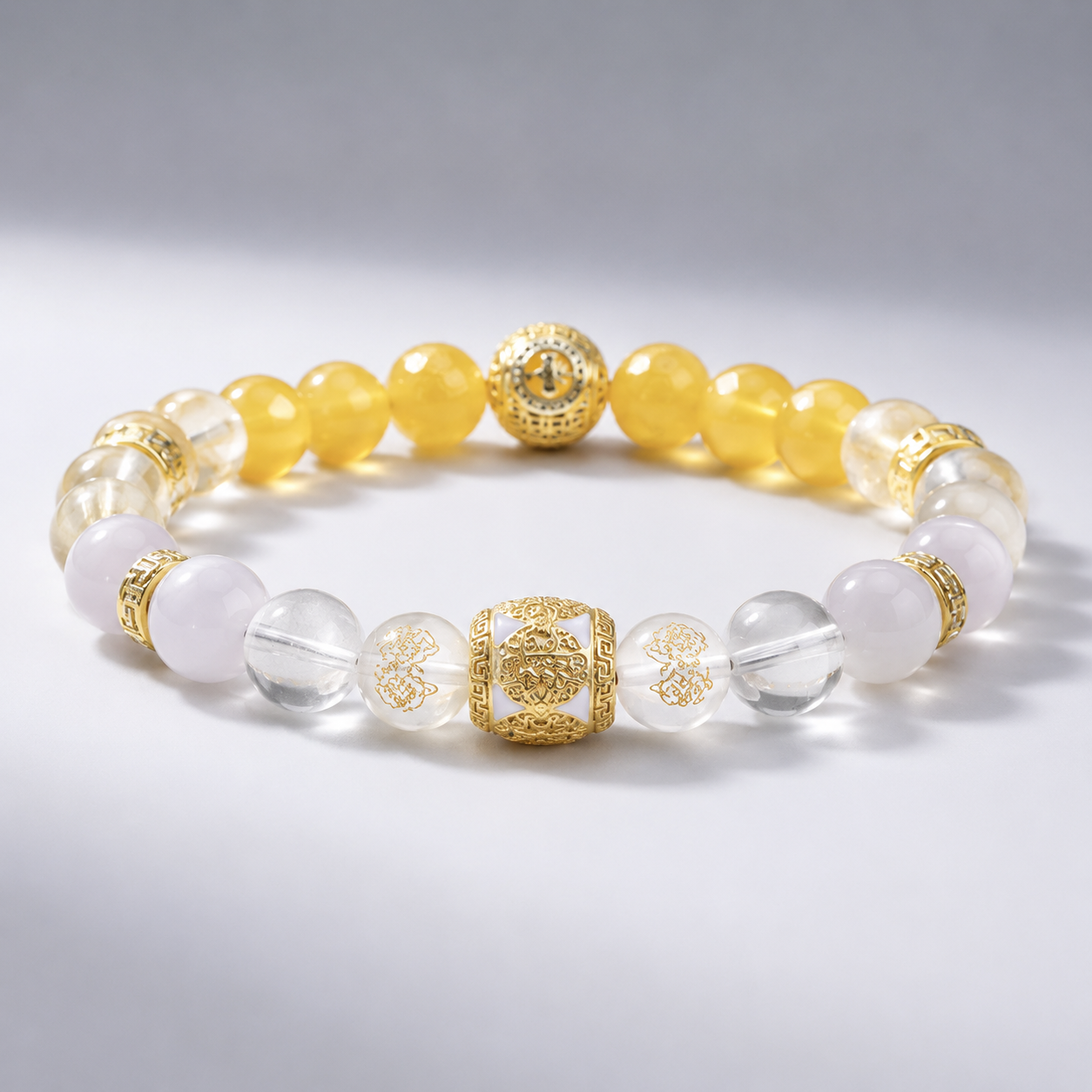
Protection Bracelet
Best when your energy crashes hardest around people, pressure, emotional spillover, or environments that keep your system from unclenching.
Read the Protection Bracelet GuideWhich Bracelet Should I Wear?
Best when you know you are worn down but still cannot tell whether the real need is healing, protection, love, money, or a broader reset.
Compare the PathsHow to Recover From Emotional Burnout FAQ
Emotional burnout usually feels like heaviness, flatness, irritability, oversensitivity, or the sense that ordinary life now costs too much energy. You may still function, but not cleanly.
Start by lowering input, repeating one calming routine at the same hour daily, and reducing the person or environment that keeps your body braced. A calmer nervous system usually grows through predictability, not intensity.
Because burnout is often not only tiredness. It is a whole pattern of overextension, overstimulation, weak boundaries, and recovery that never fully lands. A day off cannot always undo a long-running system.
Stop the biggest active drain first. That may be constant urgency, emotional access for the wrong people, pressure-filled input, or the habit of pushing through long after your body is already done.
If the main pattern is depletion and emotional strain, the Healing Bracelet is the strongest first fit. If the burnout gets worse around people or heavy environments, Protection may be the better support path.
How to Start Recovering From Emotional Burnout More Cleanly
Name the one pattern currently costing you the most: a person, a pace, a workload style, an emotional duty loop, or nonstop input. This matters because burnout recovery stays vague when the drain stays unnamed. The expected result is clearer diagnosis and better targeting.
Shorten your exposure to news, chat threads, social feeds, emotional dumping, and late-night scrolling. This matters because your nervous system cannot calm down while new stimulation keeps arriving all day. The expected result is less internal noise and more emotional space.
Choose one hour each day for a repeatable reset: walking, reading, stretching, tea, journaling, or quiet alone time. This matters because recovery becomes believable when the body starts expecting relief somewhere specific. The expected result is more nervous system steadiness.
Touch your bracelet before you say yes from guilt, answer one more draining message, or push through another exhausted block. This matters because burnout is often recreated in the moment before the decision. The expected result is stronger boundaries and less self-override.
Look for quieter proof: less dread, fewer emotional spikes, a calmer morning, less resentment, better focus, or more honesty about what you cannot carry. This matters because burnout often lifts gradually before it feels dramatic. The expected result is more trust in the process.
Further Reading & Practical Context
Astro & Charm uses astrology and symbolic tools as lifestyle guidance. The references below support the practical parts of this page around stress, burnout, overload, and emotional recovery.
Psychology Today: Burnout offers useful background for recognizing how long-running depletion can affect mood, motivation, and emotional functioning.
Harvard Health: Stress explains why overload can affect sleep, attention, mood, and daily capacity more than people often realize.
NHS: Dealing with Stress gives practical context for how stress changes emotions, behavior, and day-to-day regulation.
WebMD: Stress Symptoms and Effects on Your Body is useful background for understanding why emotional burnout can feel physical as well as mental.