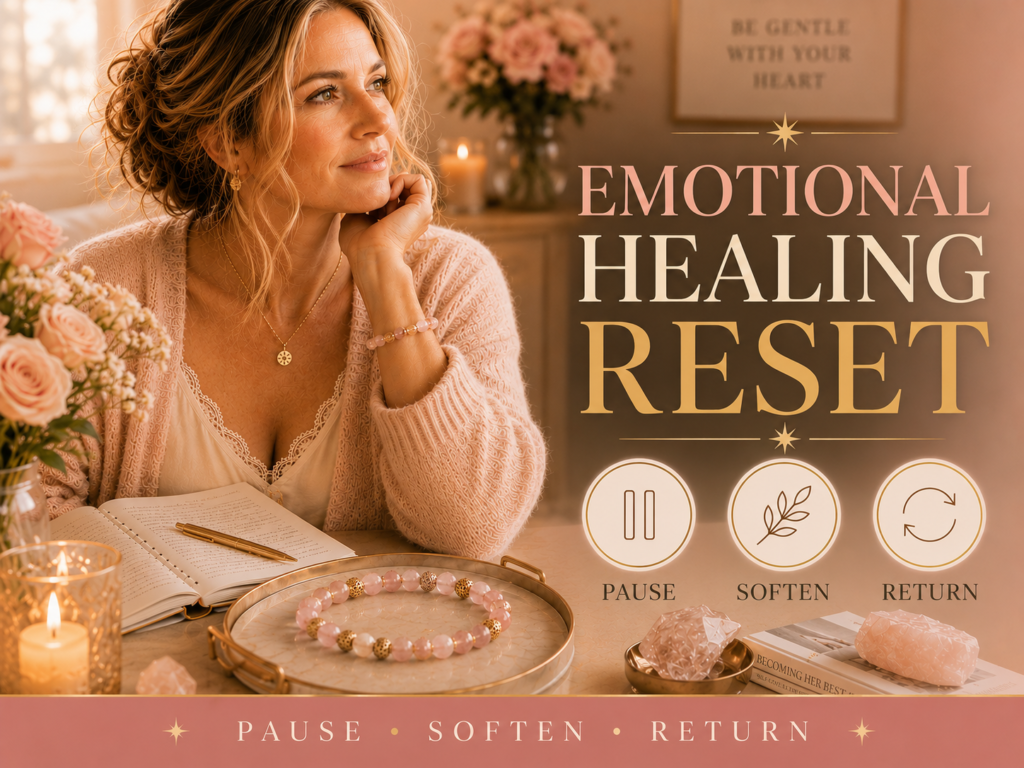
How to Emotionally Heal? What to Do When You Want Inner Peace but Still Don't Feel Like Yourself
You may be getting through the day, replying to messages, working, and looking normal from the outside, while still feeling like one part of you has not caught up. Emotional healing starts when you stop trying to force yourself to be fine and begin removing the small things that keep reopening the same wound.
Quick Answer
How to emotionally heal is not about making yourself feel better on command. Start smaller: remove one daily reopen point, name the exact hurt, rebuild one steady routine, and give your body enough quiet to stop bracing. Real healing often looks boring at first: you replay less, sleep a little cleaner, react slower, and feel less pulled back into the same emotional loop.
At a Glance
- What Emotional Healing Needs First Most people do not need another explanation first. They need fewer triggers, one safer routine, one honest sentence about what hurts, and enough repetition for the body to stop expecting fresh pain every day.
- What Keeps Healing Stuck Healing gets stuck when you keep checking the wound, stay available to the same stress source, overload yourself with advice, mistake numbness for progress, or act normal long before your body feels settled.
- Best Next Step If the real need is softness, recovery, emotional reset, or inner peace, start with bracelet for healing. If you want to compare the broader emotional paths first, review all five bracelet paths. If you still cannot tell what support matches your state, use which bracelet should I wear.
In This Guide
- Why you still do not feel like yourself
- What keeps emotional healing from actually happening
- How to find inner peace again without forcing positivity
- How to reset your emotional energy in practical terms
- How to reconnect with yourself and move into a softer season
- Where the Healing Bracelet fits
- Which bracelet path matches your healing need
- FAQ
- How to Start
How to Emotionally Heal When You Still Do Not Feel Like Yourself
One sign that you need emotional healing is strangely simple: your life still functions, but you do not feel fully inside it.
You answer messages. You show up to work. You make the call, do the errand, keep the appointment, and maybe even laugh at the right moment. Then you get home and feel flat, foggy, or oddly far away from yourself. That is the part people do not always see.
When people search for how to emotionally heal, they are often asking something more private: how do I feel like myself again after too much has piled up inside me? Healing is not only about pain. It is also about lost rhythm, lost softness, lost trust in your own reactions, and the exhaustion that comes from staying functional for too long.
If your emotions feel flat, scattered, overly sensitive, or delayed, do not treat that as proof that you are failing. It may mean part of you is still protecting itself. The work is not to rip that protection away. The work is to make life feel safe enough that it can loosen.
What Keeps Emotional Healing From Actually Happening
Many people think healing is slow because they have not found the right affirmation, ritual, or explanation yet. More often, healing is slow because the wound never really gets a quiet environment to close in.
Reopening the same wound every day
Contact, checking, replaying, comparing, stalking, rehearsingIf you keep rereading the same message, checking the same account, replaying the same conversation, or imagining what you should have said, the wound never gets a clean break. You may call it processing, but sometimes it is just daily reactivation.
Trying to heal while overstimulated
Too much noise, advice, content, pressure, or emotional accessInner peace rarely returns in an environment that keeps you half-braced all day. Too much noise, too much advice, too many tabs open, too many people needing access to you. Healing needs less input before it needs more insight.
Expecting emotional clarity before emotional safety
Wanting answers when your body still feels under threatYou do not always need deeper analysis first. Sometimes you need calmer sleep, less contact, simpler days, and a body that no longer feels hunted by the past.
How to Find Inner Peace Again Without Forcing Positivity
If you want to find inner peace again, stop treating peace like a mood you are supposed to produce on demand. Peace is not something you perform. It is something your day either supports or keeps interrupting.
The more practical question is not how do I become peaceful today. It is what keeps stealing peace from me every day. A person, a message thread, a room, a memory pattern, a social feed, a late-night habit, a pressure loop, or the decision you keep postponing can all hold more emotional charge than you admit.
- Remove one reopen point for seven days. Mute the contact, stop checking, pause the input, or change the nighttime habit that keeps pulling you back.
- Create one protected quiet window. Give yourself thirty minutes without noise, advice, people, scrolling, or self-judgment. Let your body come down before you demand clarity from it.
- Name the real hurt in one sentence. Not just "I am sad" but "I feel replaced," "I feel unseen," "I feel ashamed," or "I feel like I disappeared while trying to keep everything together."
Peace is not built by pretending you are fine. It is built by reducing what keeps your body from believing recovery is possible.
How to Reset Your Emotional Energy and Recover Balance
If your emotional energy feels heavy, scattered, or low, you may not need a dramatic life reset first. You may need small corrections that lower the load you are carrying every day.
| What You Notice | What To Do | What Tends to Shift First |
|---|---|---|
| You feel emotionally scattered | Reduce multitasking, shorten your input window, and finish one small task fully before switching. | Less inner noise and better mental steadiness |
| You feel numb but exhausted | Journal one unsent truth each night for five days instead of trying to force a bigger emotional release. | More emotional movement and less hidden tension |
| You feel restless and ungrounded | Rebuild one anchor habit at the same hour daily: walk, tea, stretch, reading block, or early shower. | More predictability and less emotional drift |
| You feel oversensitive to everything | Shorten contact with the most draining person or space for one week and track the difference honestly. | More emotional safety and clearer boundaries |
That is what an emotional reset looks like in real life. Not becoming a new person overnight. Giving your current self better conditions to recover under.
How to Reconnect With Yourself and Move Into a Softer Season
A lot of emotional healing is really self-reconnection. You are not only trying to feel less pain. You are trying to become easier to live inside again.
If you do not feel like yourself, ask where exactly you lost contact. Was it your standards? Your quiet? Your joy? Your body? Your routines? Your trust in your own judgment? Healing becomes more effective when the reconnection point is specific.
A softer season does not mean a passive one. It means you stop measuring progress only by how productive, impressive, or emotionally controlled you look. It means building conditions that let you recover emotional balance instead of demanding that balance appear before the environment changes.
Emotional healing often feels humble before it feels powerful. You notice smaller reactions, steadier breathing, more honest choices, less self-abandonment, and fewer situations that leave you hollow afterward. Quiet progress still counts.
Where the Healing Bracelet Fits
A bracelet should not be treated like a shortcut around healing. The useful part is much more ordinary: it gives your reset a physical place to land.
That matters because most people do not lose their healing in theory. They lose it in the moment: before sending the text, before checking the account again, before saying yes when they are exhausted, before pushing through another heavy day without pausing.
For this page, the Healing Bracelet is the clearest fit because the problem is recovery, not attraction, money, or performance. Use it as a cue to slow down, stop reopening the same wound, and come back to yourself before the old pattern takes over the next hour.
If the real issue is broader than emotional recovery, compare all five bracelet paths. If you still cannot tell what state you are in, use which bracelet should I wear. The point is not to choose the prettiest answer. It is to choose the support path that matches what keeps happening in your real life.
A Practical Starting Point for Emotional Reset
Choose the Healing Bracelet if your real need is recovery, softness, and steadier pacing. Wear it when you need something physical to return to before overthinking, self-blame, doom-scrolling, or emotional reopening takes over the next hour.
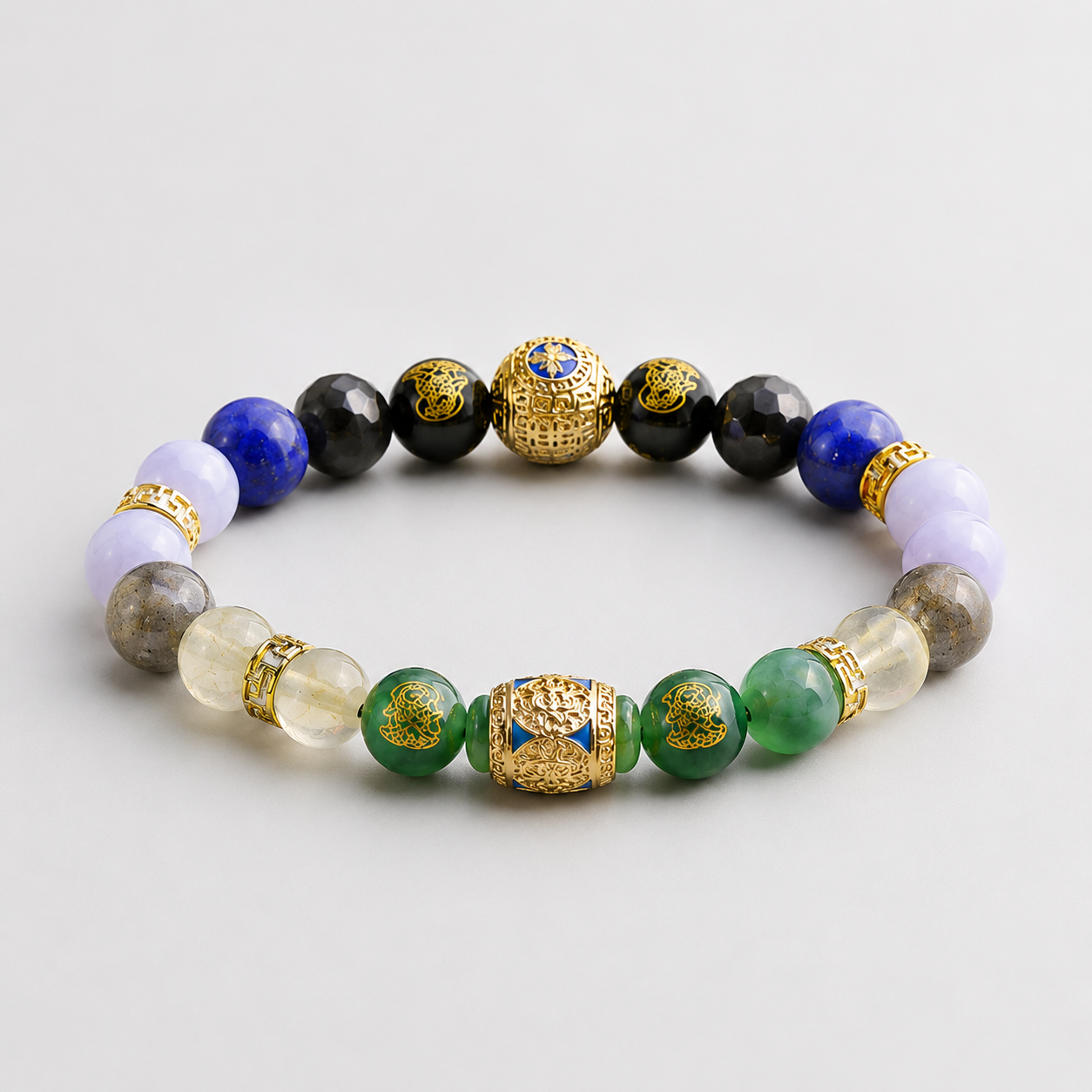 See the Healing Bracelet Details
Which Bracelet Path Matches Your Healing Need?
Emotional healing is not one single path. If the problem is recovery, start with healing. If your heart is ready to open again, love may be the next step. If the pain keeps getting stirred up by people, rooms, or family conversations, protection may be the more accurate support. If you want the full comparison first, review all five bracelet paths. If you want the fastest route, use which bracelet should I wear.
Healing Bracelet
Best when your heart feels worn out, your days feel overstimulating, and the real need is softer pacing instead of more pressure.
Read the Healing Bracelet Guide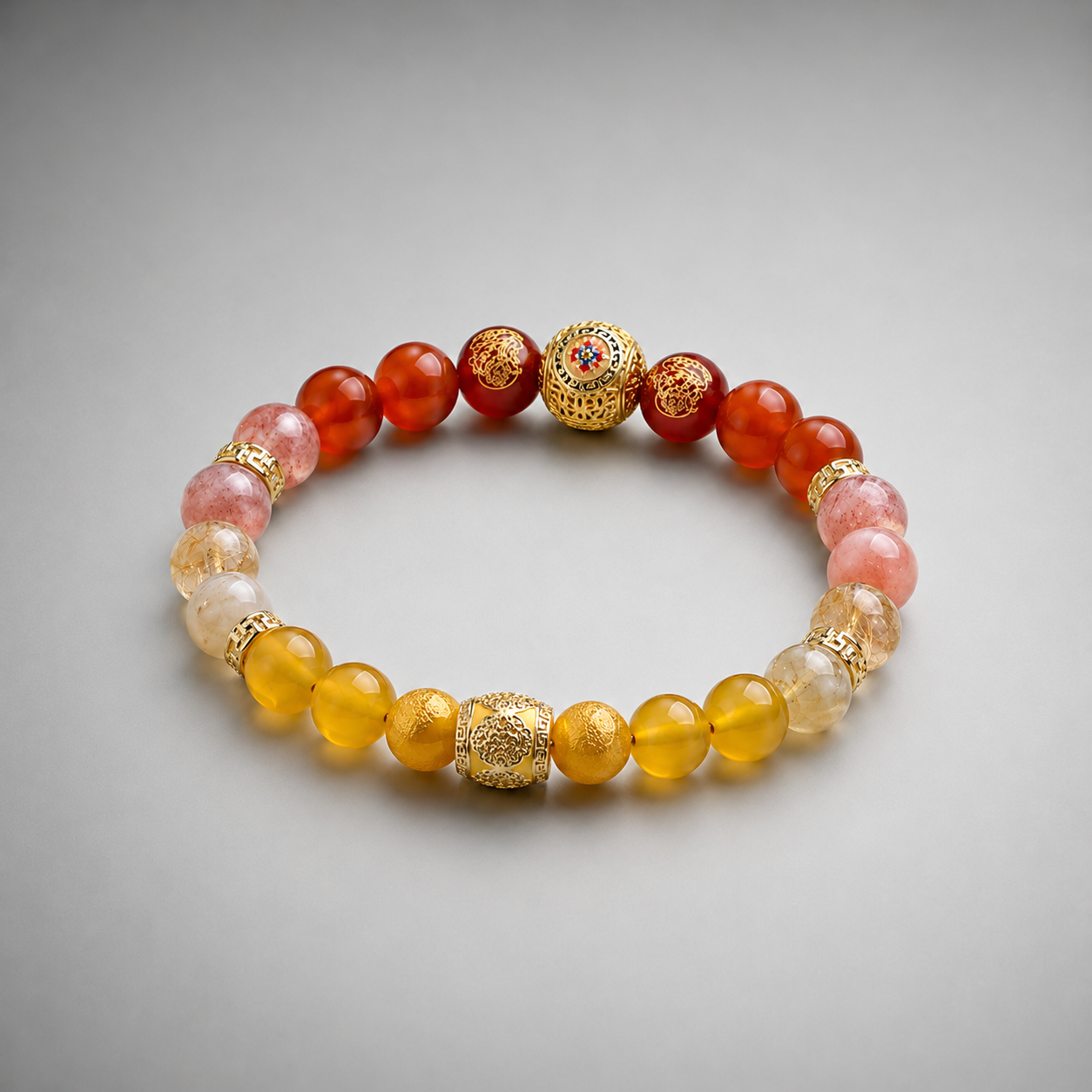
Love Bracelet
Best later, when the wound is not as raw and the next need is emotional openness, warmth, and safer connection.
View the Love Bracelet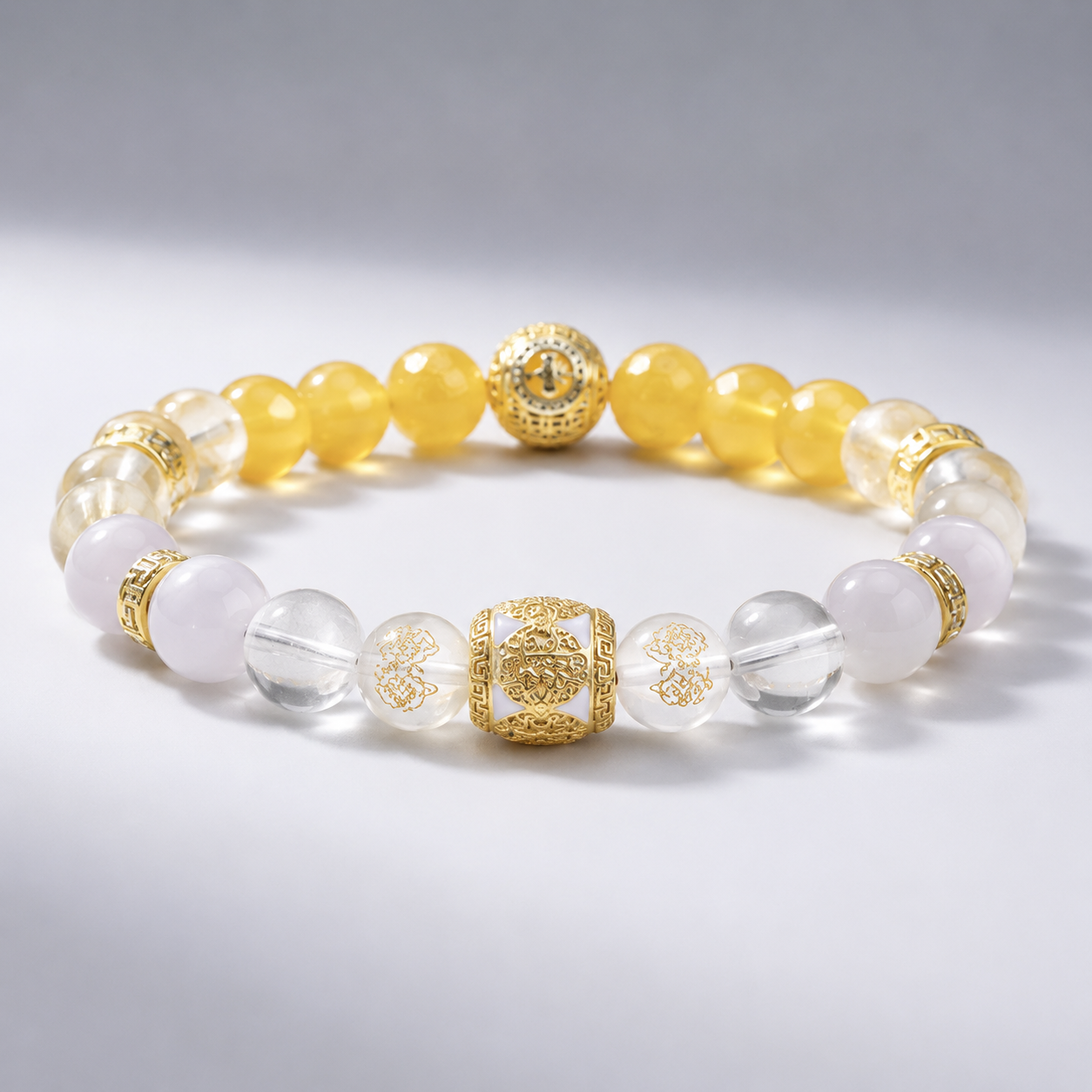
Protection Bracelet
Best when your healing keeps getting interrupted by draining people, loud spaces, weak boundaries, or taking in more than you can process.
View the Protection BraceletHow to Emotionally Heal FAQ
Start by removing what keeps reopening the wound, rebuilding one stabilizing routine, and naming the exact injury instead of calling everything stress. Feeling like yourself again often begins quietly: fewer replays, less urgency, and one part of the day that feels safe enough to breathe.
Do not start by forcing your mind to be silent. Start by reducing the biggest trigger, creating one protected quiet window, and stopping the constant input that keeps your body alert.
Reset your emotional energy by lowering overload, rebuilding one anchor habit, shortening exposure to what drains you, and letting recovery become repetitive enough to feel safe. The first change is often less reactivity, not instant happiness.
Treat the feeling as valid even before the explanation is perfect. Look for the pattern underneath it: grief, overstimulation, burnout, heartbreak, self-abandonment, or too much emotional exposure. Clarity grows faster when you stop dismissing the signal.
Choose the Healing Bracelet if the main issue is recovery, inner peace, and emotional reset. Choose Love if your heart is ready to open again. Choose Protection if people or environments keep interrupting your healing.
How to Start Emotionally Healing More Cleanly
Remove one trigger that keeps the wound active: a message thread, a late-night scroll, a memory ritual, a repeated argument, or a person who destabilizes you. Do not try to fix your whole life first. Give one wound a cleaner room to cool down.
Write one honest sentence about what hurts most: rejection, grief, shame, betrayal, loneliness, fear, humiliation, or exhaustion. "I am stressed" may be true, but "I feel unseen" gives you a clearer place to begin.
Choose one anchor you can repeat without drama: a walk, tea ritual, journaling block, shower reset, stretching, prayer, or reading window. Give your body one calm part of the day it can start to trust.
Touch your bracelet and pause before you text, spiral, check, overexplain, or collapse into the same loop. Healing is often protected in the five minutes before the decision, not after the damage is already done.
Look for smaller changes: less rumination, fewer emotional crashes, more honest boundaries, calmer mornings, better sleep, or less urgency around what used to control you. Quiet progress is still progress.
Further Reading & Practical Context
Astro & Charm uses astrology and symbolic tools as lifestyle guidance. The references below support the practical parts of this page around stress, grief, burnout, and emotional recovery.
Harvard Health: Stress gives useful background for why emotional overload can affect sleep, focus, mood, and daily functioning more than people expect.
Psychology Today: Grief helps explain why loss, emotional carryover, and unfinished pain do not move on a clean schedule.
Psychology Today: Burnout is useful when what feels like emotional brokenness may partly be overload, depletion, or long-term internal strain.
NHS: Dealing with Stress offers practical context for how stress affects emotions, behavior, and day-to-day regulation.