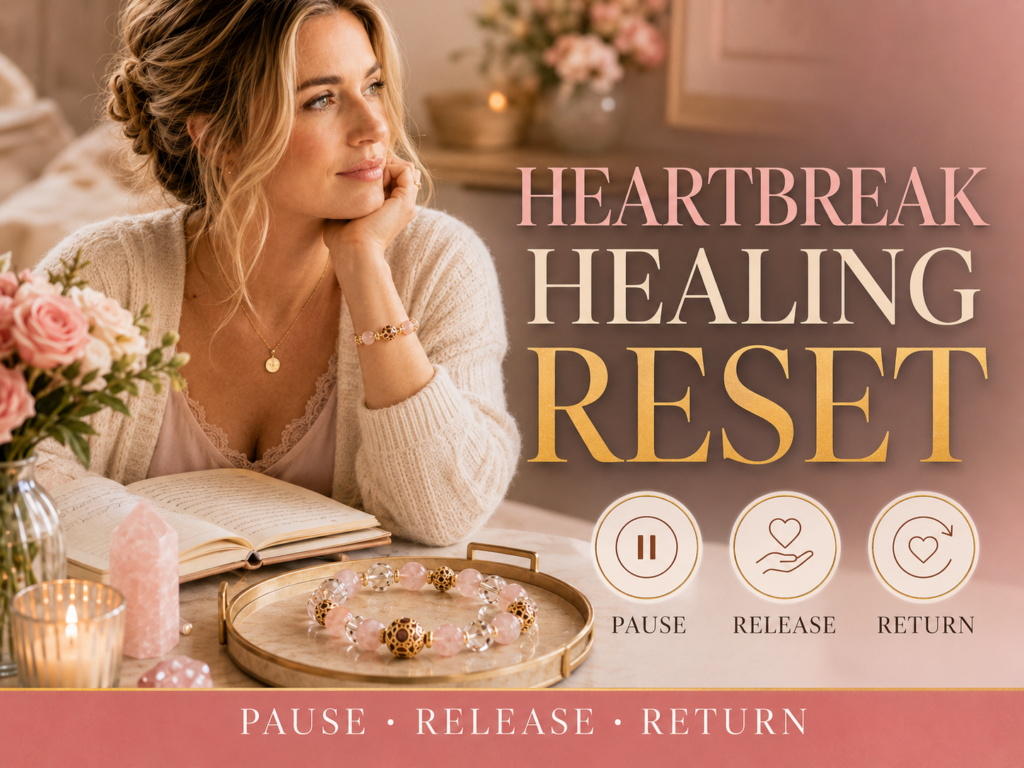
How to Heal After Heartbreak? What to Do So the Pain Stops Running Your Day
If your ex is still on your mind, if moving on feels slower than it should, or if your body still reacts like the breakup happened yesterday, healing usually starts with one hard truth: heartbreak does not end just because the relationship ended. It ends when the emotional loop finally loses control of your day.
Quick Answer
How to heal after heartbreak usually comes down to five things: stop feeding the breakup loop, let grief have a shape instead of fighting it all day, reduce contact with what keeps reopening the wound, rebuild daily life outside the relationship story, and give your nervous system a steadier place to land. Healing does not mean forgetting fast. It means your ex stops running your attention, your body stops expecting emotional impact every hour, and your life starts feeling like it belongs to you again.
At a Glance
- What This Usually Feels Like You know the relationship is over, but part of you still lives inside it. Your ex keeps showing up in your thoughts, songs, routines, fantasies, and what-if stories. Some days you miss them. Some days you miss the version of yourself that existed before the breakup.
- What Is Probably Really Happening The pain is often not only about love. It is also about shock, unfinished grief, broken routine, wounded self-worth, and a nervous system that still treats the breakup as current danger instead of past loss.
- Best Next Step For the next three days, stop one obvious reopen point: their social feed, old messages, imagined reunion scripts, or the place you mentally return to every night. If this is clearly heartbreak recovery, start with bracelet for healing. If you feel ready to return to softness later, keep bracelet for love as the next step. If you are not sure which stage you are in, use which bracelet should I wear.
In This Guide
Why Heartbreak Feels So Hard to Move Through
Heartbreak is rarely only about losing a person. It is also about losing structure. You lose the imagined future, the daily contact, the role they played in your mind, the version of yourself that felt chosen, and the emotional rhythm your days were built around. That is why even a relationship you know was wrong can still leave an enormous hole.
This is also why healing often feels slower than logic says it should. A breakup can end on paper long before it ends in the body. Part of you may understand that the relationship is over while another part is still waiting for a message, a reversal, an apology, or a version of the past that no longer exists.
That gap between intellectual understanding and emotional release is what makes heartbreak feel so stubborn. It is not always weakness. Often it is unfinished grief looking for somewhere to go.
Why You Still Cannot Move On After Heartbreak
If you keep asking why you cannot move on, the answer is usually not that you loved too much. It is more often that the breakup is still being emotionally fed somewhere. Sometimes you feed it through contact. Sometimes through memory. Sometimes through fantasy. Sometimes through self-blame. The wound stays active because something keeps reopening it.
You Are Still in Contact With the Emotional Trigger
The breakup keeps happening in small daily piecesChecking their posts, rereading messages, replaying the final conversation, or staying available for crumbs keeps the nervous system from standing down. The relationship may be over, but the activation keeps being refreshed.
You Are Grieving Potential, Not Only Reality
The lost future can hurt more than the actual relationshipSometimes what keeps you stuck is not what the relationship really was. It is what you hoped it would become. That version can be harder to release because it never had the chance to disappoint you fully.
Your Identity Is Still Attached to the Relationship Story
You are not only missing them; you are missing your old roleIf the relationship gave you meaning, routine, security, or a sense of being chosen, moving on can feel like losing part of yourself. That is why healing also requires rebuilding identity outside the breakup.
Why Your Ex Is Still on Your Mind
Your ex may still be on your mind because the relationship ended before your mind found a settled explanation. When endings feel abrupt, unclear, unfair, or emotionally unfinished, the brain keeps circling the same person in search of a cleaner answer.
Missing your ex does not always mean they were right for you. It often means they became linked to comfort, familiarity, intensity, validation, or unfinished emotional business. That is why people can miss someone they also know was inconsistent, avoidant, or impossible to build with.
If you still miss your ex, ask a better question than "Do I still love them?" Ask: what exactly do I miss? Their real presence? The bond? The routine? The hope? The validation? The part of me that felt less alone? That answer usually points to the real wound.
| What You Notice | What It May Mean | What To Do Next |
|---|---|---|
| You think about them every night | Your mind may still be using the same quiet window to replay the attachment. | Replace the night loop with a deliberate routine: walk, shower, journal, music without memory triggers. |
| You keep imagining reunion conversations | You may still be trying to emotionally finish what never resolved. | Write the conversation once for yourself, but stop rehearsing it daily. |
| You feel set back after seeing them or hearing about them | The wound is still active and easily reopened. | Treat triggers as recovery information, not as proof you should go backward. |
How to Move On From a Broken Relationship
Moving on is not the same as pretending the relationship did not matter. It means returning your energy to the parts of life that can still move. The relationship may stay meaningful. It just stops being the center of your emotional economy.
Start by separating grief from devotion. You are allowed to feel hurt without building a home inside the hurt. You are allowed to miss someone without making missing them your whole identity. You are allowed to be changed by love without remaining trapped inside the ending.
- Remove one daily heartbreak trigger instead of trying to master all of them at once.
- Stop using the breakup as the main thing your mind returns to when life gets quiet.
- Rebuild one personal routine that has nothing to do with the relationship.
- Tell the truth about what actually hurt instead of only saying "I miss them."
- Let today have at least one moment that is not emotionally organized around the breakup.
What Makes Heartbreak Last Longer
Some heartbreak takes time no matter what. But some pain lasts longer because certain habits keep reactivating it. Healing gets delayed when grief never gets a boundary.
Stress guidance from Harvard Health and broader emotional context from Psychology Today on grief both support the practical point here: when the system stays overstimulated, recovery gets slower, reactions stay sharper, and clarity takes longer to return.
- Do not keep searching for one final detail that will suddenly make the breakup painless.
- Do not confuse checking on them with emotional progress.
- Do not make loneliness the same thing as evidence that they were right for you.
- Do not turn one painful ending into a global story about your worth.
- Do not rush into new love only to avoid feeling the actual loss.
A 7-Day Heartbreak Reset
If you need a practical reset, use one week to reduce reactivation and rebuild a little stability. This is not a miracle cure. It is a way to stop the wound from getting reopened by habit.
- Day 1: Identify the reopen points. Write down the three things that keep the heartbreak active: a person, an app, a time of day, a location, or a memory ritual. Naming the reopen points gives you something concrete to change.
- Day 2: Cut one trigger. Mute, archive, delete, unfollow, or physically change one obvious access point. The result is less accidental emotional reopening.
- Day 3: Write what actually hurt. Was it abandonment, betrayal, silence, replacement, mixed signals, humiliation, or the future you lost? The result is more honest grief.
- Day 4: Rebuild one routine. Put one hour of the day back under your control with a walk, workout, meal ritual, reading block, or evening structure. The result is less drifting into memory by default.
- Day 5: Stop one fantasy loop. When reunion scripts start, interrupt them and return to a physical task. The result is less attachment to imagined repair.
- Day 6: Make one self-respecting choice. Say no to the text, the social check, or the emotional backdoor. The result is more trust in yourself.
- Day 7: Choose the next phase. If the heart still feels raw, stay with healing. If you feel steadier and more open, love can become the next path. If you still cannot tell, use the chooser before buying anything.
Where the Healing Bracelet Fits
A bracelet will not erase heartbreak. It should not be treated like a shortcut around grief. What it can do is give the body a steadier pattern to return to when the mind starts running the breakup again.
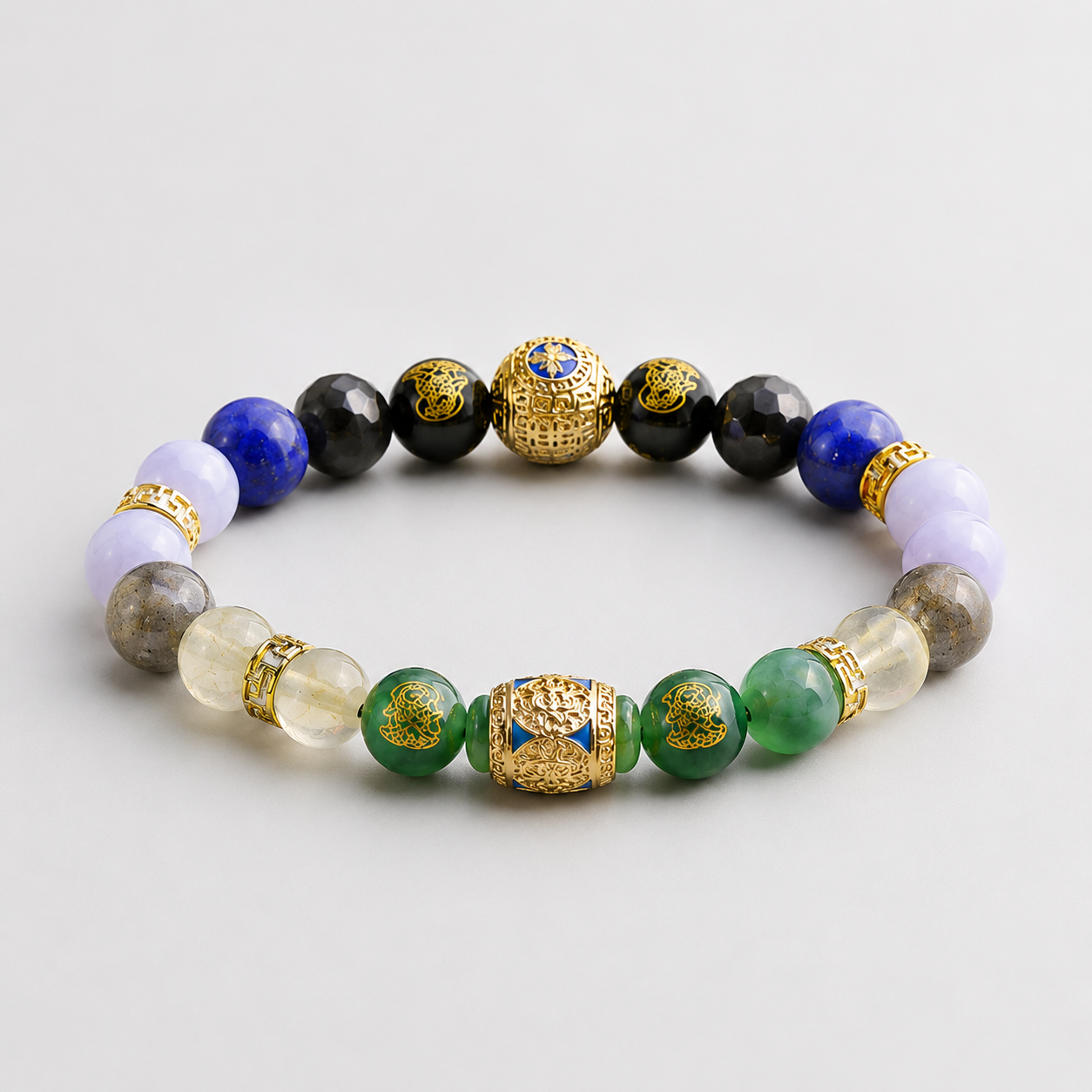
For this keyword, the Healing Bracelet is the strongest main fit because the issue is recovery, not attraction. It works best as a ritual cue for softer pacing, emotional reset, and the moment right before you reopen the same wound for no real reason.
Love can become relevant later, but it should not be the first answer if your heart is still organizing itself around loss. Recovery comes before magnetism.
A Practical Bracelet for Heartbreak Recovery
If your breakup is still living too loudly in your system, start with the Healing Bracelet. Use it as a daily reminder to stop reopening the same wound, slow your emotional pacing, and return to yourself before nostalgia, longing, or self-blame take over the day.
 See the Healing Bracelet Details
Which Bracelet Path Matches Your Recovery Stage?
Choose the path that matches where your heart actually is now.
Healing Bracelet
Best when the breakup is still active in your mind and body, and the real need is grief support, emotional reset, and softer internal pacing.
Read the Healing Bracelet Guide
Love Bracelet
Best later, when the grief is quieter and you are ready to reopen to connection, emotional warmth, and healthier attraction without rushing.
Read the Love Bracelet GuideWhich Bracelet Should I Wear?
Best when you still cannot tell whether the main problem is heartbreak, love readiness, protection, or a broader emotional reset.
Compare the PathsHow to Heal After Heartbreak FAQ
You may still be feeding the heartbreak loop through contact, memory rituals, hope, self-blame, or unresolved grief. Moving on usually starts when the breakup stops getting reactivated every day.
Heal by reducing the reopen points, letting grief become specific, rebuilding daily life outside the relationship story, and giving your nervous system more steadiness than longing. The goal is not instant numbness. It is less emotional control from the breakup.
Your ex may still be on your mind because the ending feels emotionally unfinished, the bond became tied to routine or validation, or some part of you is still searching for a cleaner explanation.
Missing your ex does not always mean they were right for you. It often means they became associated with comfort, familiarity, intensity, or hope. What you miss may be partly the person and partly what they represented.
Move on by returning your attention to what can still move in your life, reducing contact with triggers, and rebuilding identity outside the relationship. A broken relationship stops running you when your days stop orbiting the ending.
How to Reset After Heartbreak Without Forcing Yourself to Be Fine
Pick the one reopen point that is costing you the most: their profile, old messages, imagined reunion scenes, or the nightly spiral. This matters because heartbreak stays active when the wound keeps getting refreshed. The result is a cleaner place to start instead of vague emotional chaos.
Mute, archive, unfollow, delete, or block one access point for at least seventy-two hours. This matters because healing gets delayed when your body keeps treating the breakup like present danger. The result is less emotional reactivation and more breathing room.
Write down whether the real wound is rejection, abandonment, humiliation, betrayal, lost routine, or the future you pictured. This matters because specific grief moves more cleanly than shapeless pain. The result is more honest healing and less looping confusion.
Take back one hour of the day with a walk, workout, meal ritual, reading block, or evening reset that has nothing to do with the relationship. This matters because heartbreak weakens identity as much as it hurts attachment. The result is a stronger sense that your life is still yours.
If the heart still feels raw, use the Healing Bracelet as a ritual cue before you reopen the same wound through checking, texting, replaying, or self-blame. This matters because healing is easier when your reset has a physical anchor. The result is steadier follow-through instead of emotional backsliding.
Further Reading & Relationship Context
Astro & Charm uses astrology and symbolic tools as lifestyle guidance. The references below support the practical parts of this page around grief, stress, forgiveness, and emotional recovery.
Psychology Today: Grief offers useful context for why loss can stay active emotionally even after the relationship ends.
Psychology Today: Forgiveness is useful when heartbreak recovery gets stuck around resentment, replay, or emotional unfinished business.
Harvard Health: Stress explains why heartbreak can affect sleep, attention, mood, and daily functioning more than people expect.
Greater Good Science Center: Relationships offers broader context for why close connection and relationship loss affect well-being so strongly.